

Documentary style wedding photography is probably what you’re picturing if you want the real laughter and unposed moments no one could recreate on command. But somewhere in that picture, a question tends to creep in too. Once the camera comes out, am I on my own? Do I need to know where to stand or where to look? How do I make myself look natural?
You won’t be left to figure that out by yourself. Documentary photography still leaves plenty of room for guidance when you need it. During portraits, family photographs, or any moment when you’re feeling unsure, I can give you a little direction to help you get comfortable. Once you’re settled and something natural starts happening between you, I can ease back and let that take over.
As a documentary style wedding photographer, that’s how I approach the rest of a wedding too. I’m paying attention to what would help in the moment instead of deciding ahead of time that every part of the day needs the same amount of direction. Sometimes that means stepping in. Other times, you’re already laughing with your friends or caught up in a conversation, and the best thing I can do is leave you there and document it.
What Does Documentary Style Wedding Photography Mean
Documentary style wedding photography is an approach where most of your wedding is photographed as it naturally unfolds, without constantly stopping or directing what’s happening. I’m watching the people around you, the way the energy shifts throughout the day, and the reactions you may not notice while you’re in the middle of everything.
That could be your friends talking while everyone waits for the ceremony to begin, a parent wiping away tears during your vows, your hand finding your partner’s during a toast, or your sister trying not to laugh before she gets to the punchline of a story everyone already knows.
That doesn’t mean I stay completely hands-off. Family photographs usually need some organization, and couple portraits may need a little movement or direction to help you feel comfortable. How involved I am depends on what’s happening in front of me. If guidance would help, I’ll give it. If the moment is already working, I’d rather let you stay in it.
How I Figure Out How Much Direction You Need
There isn’t one amount of direction that works for every couple. Some people settle in almost immediately once I give them somewhere to start. Others feel better when I stay a little more involved until being in front of the camera stops feeling like something they need to think about.
I’m paying attention to that from the beginning. An engagement session can help because I get to see how the two of you naturally interact, what makes you comfortable, and when a prompt is helpful versus when you’re better off doing your own thing. By the wedding day, I already have a much better sense of how to support you.
That carries through the rest of the day too. If you need help during portraits or a family photograph, I’ll give it. If you’re already comfortable and focused on each other or your people, there’s no reason for me to keep directing you. The amount of guidance can change throughout the day because what you need can change too.
When I Might Give You Direction
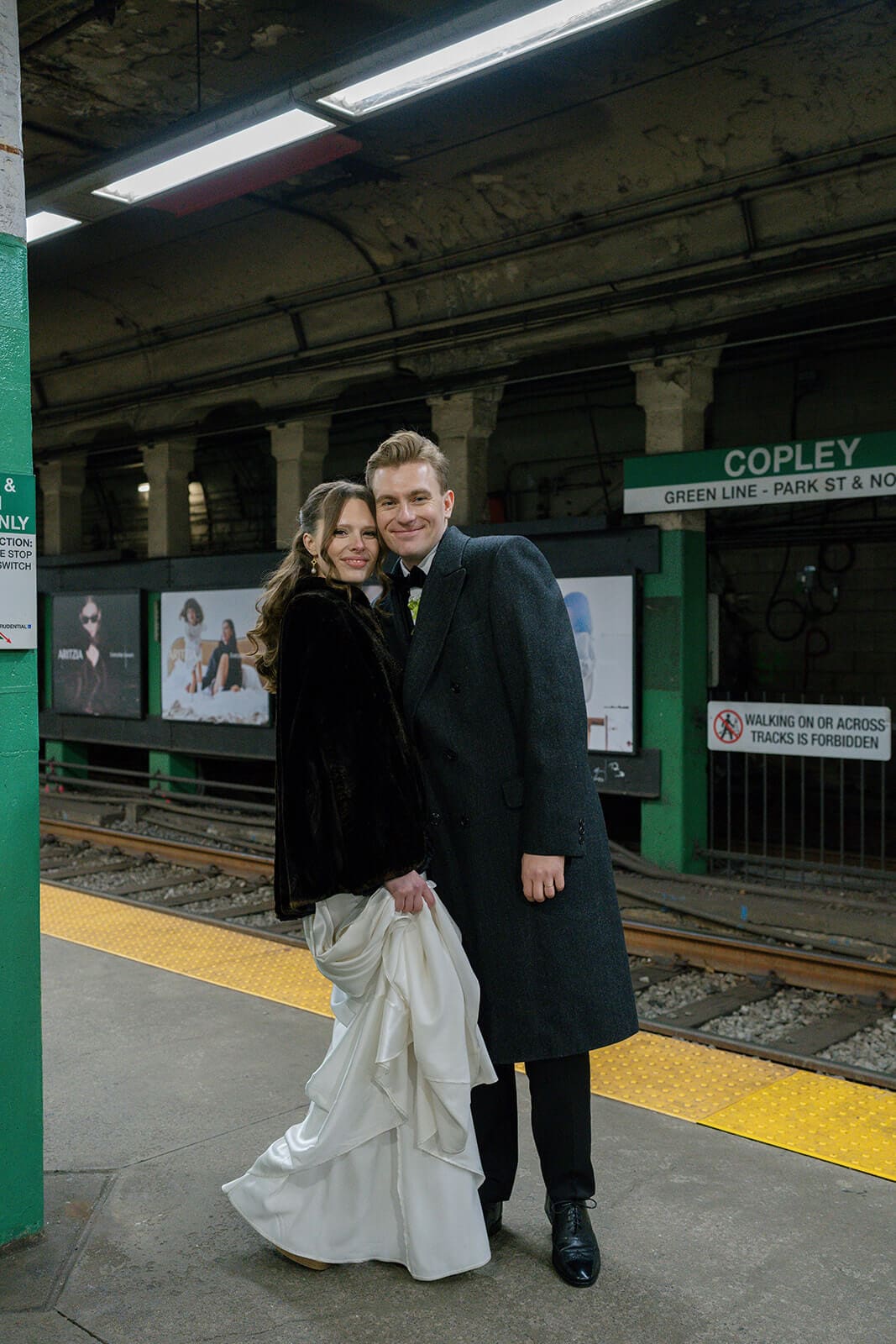
There are plenty of moments when a little direction makes everything easier. During family photographs, I may bring people closer together or adjust where someone is standing so everyone is visible. If the light is better a few steps away, I’ll move us rather than hoping you somehow read my mind from across the room.
During portraits, I might ask you to walk together or give you something simple to do so you have somewhere comfortable to begin. I’m also watching how you naturally move together. My background in dance has made me pretty aware of when movement starts to feel held or overly deliberate, and sometimes a small adjustment is enough to help your body settle again.
I’m not trying to keep you performing for the camera once something is working. The direction is there to get you comfortable, not to make every photograph depend on another instruction.
When I’d Rather Leave the Moment Alone
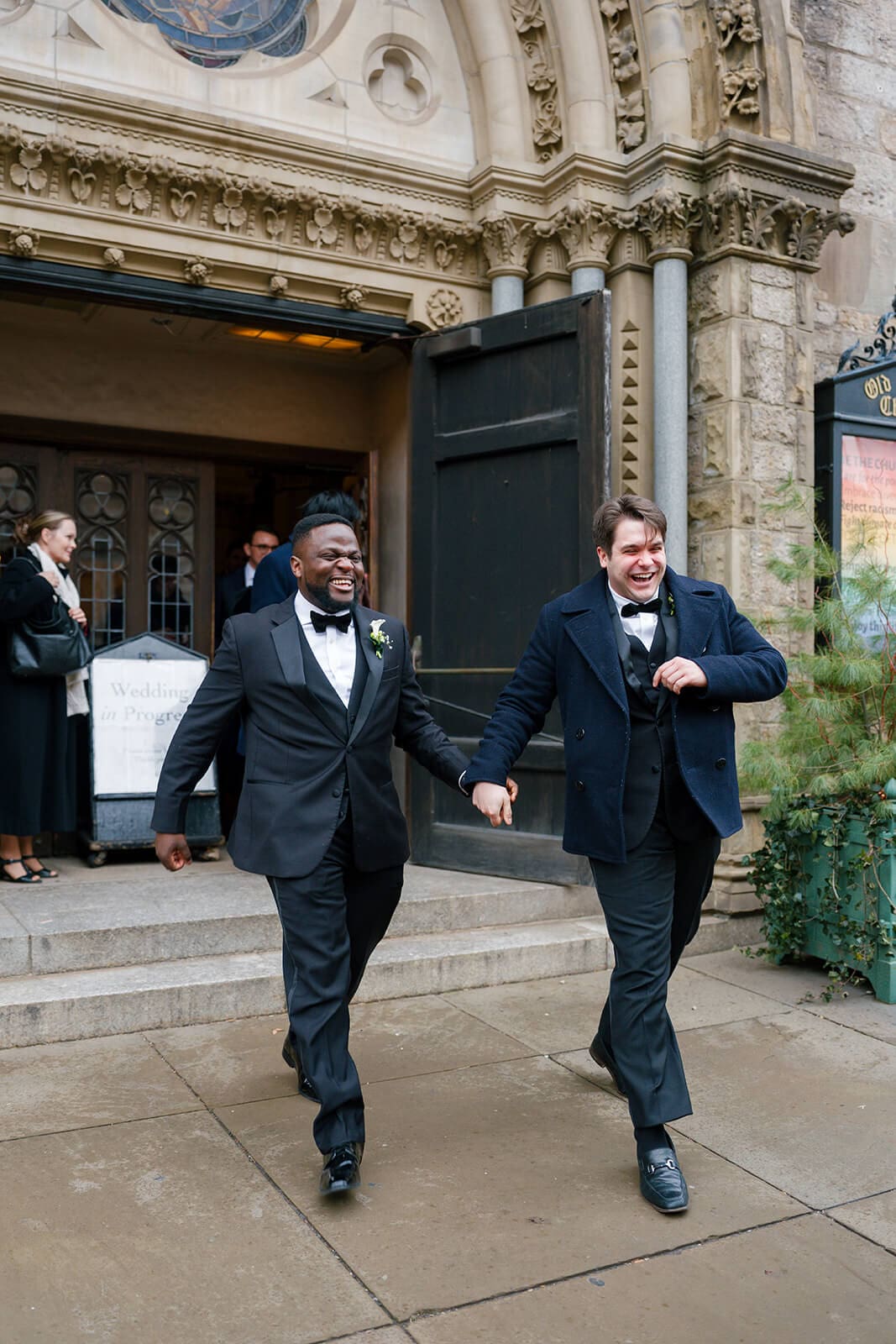
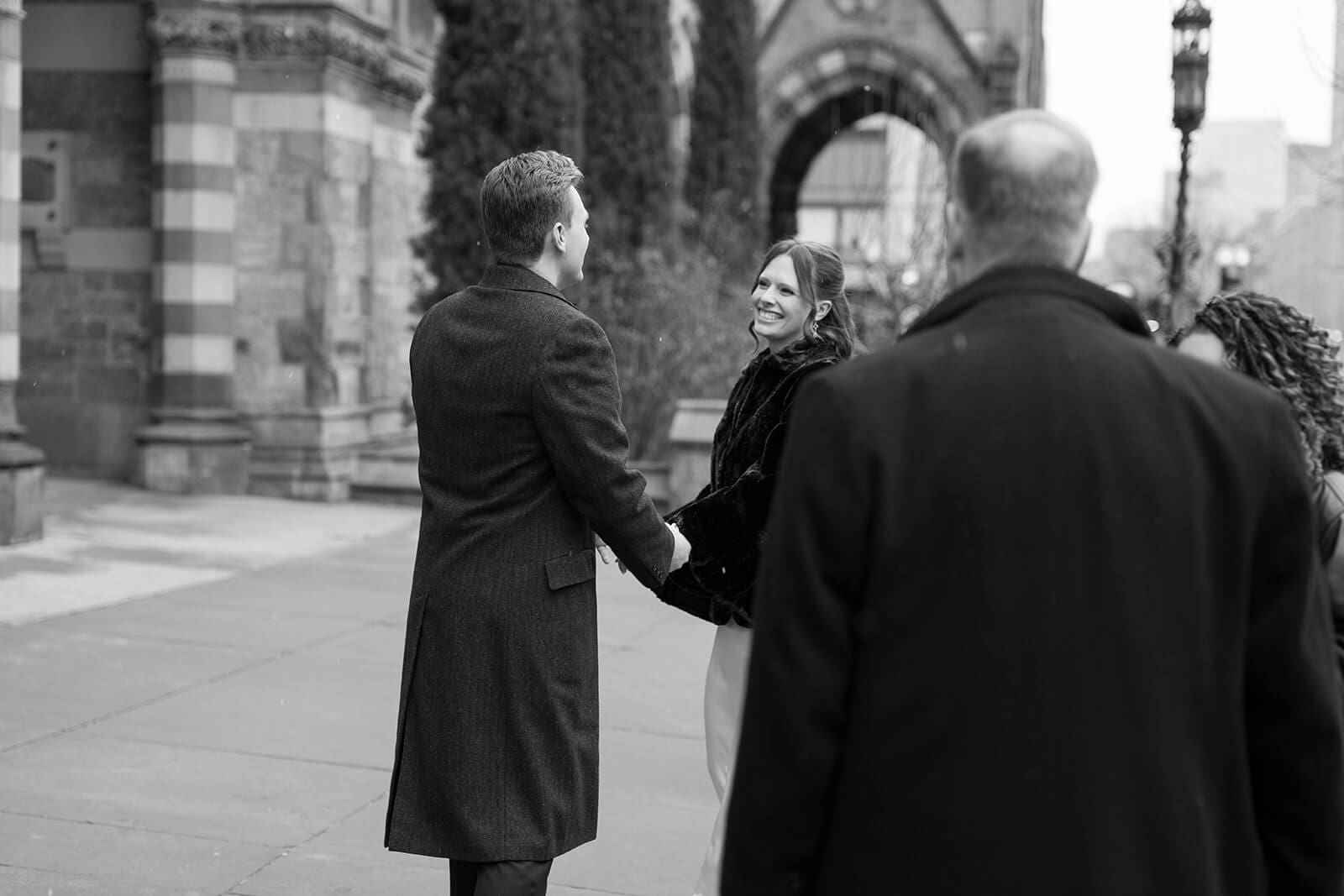
If you’re already relaxed and involved in what’s happening, I’d much rather let you stay there. Maybe you’re laughing with friends after the ceremony, talking with someone you haven’t seen in months, or taking a quiet minute together before the reception starts.
Those moments don’t need an interruption from me. I can move around you, find a different angle, or work with the light that’s already there without asking you to pause whatever you were doing.
Sometimes the photograph I want is happening because no one is thinking about making a photograph in the first place. If your attention is already where it should be, with the person in front of you, I don’t need to pull it back toward my camera.
A Boston Church Ceremony and Ride on the T
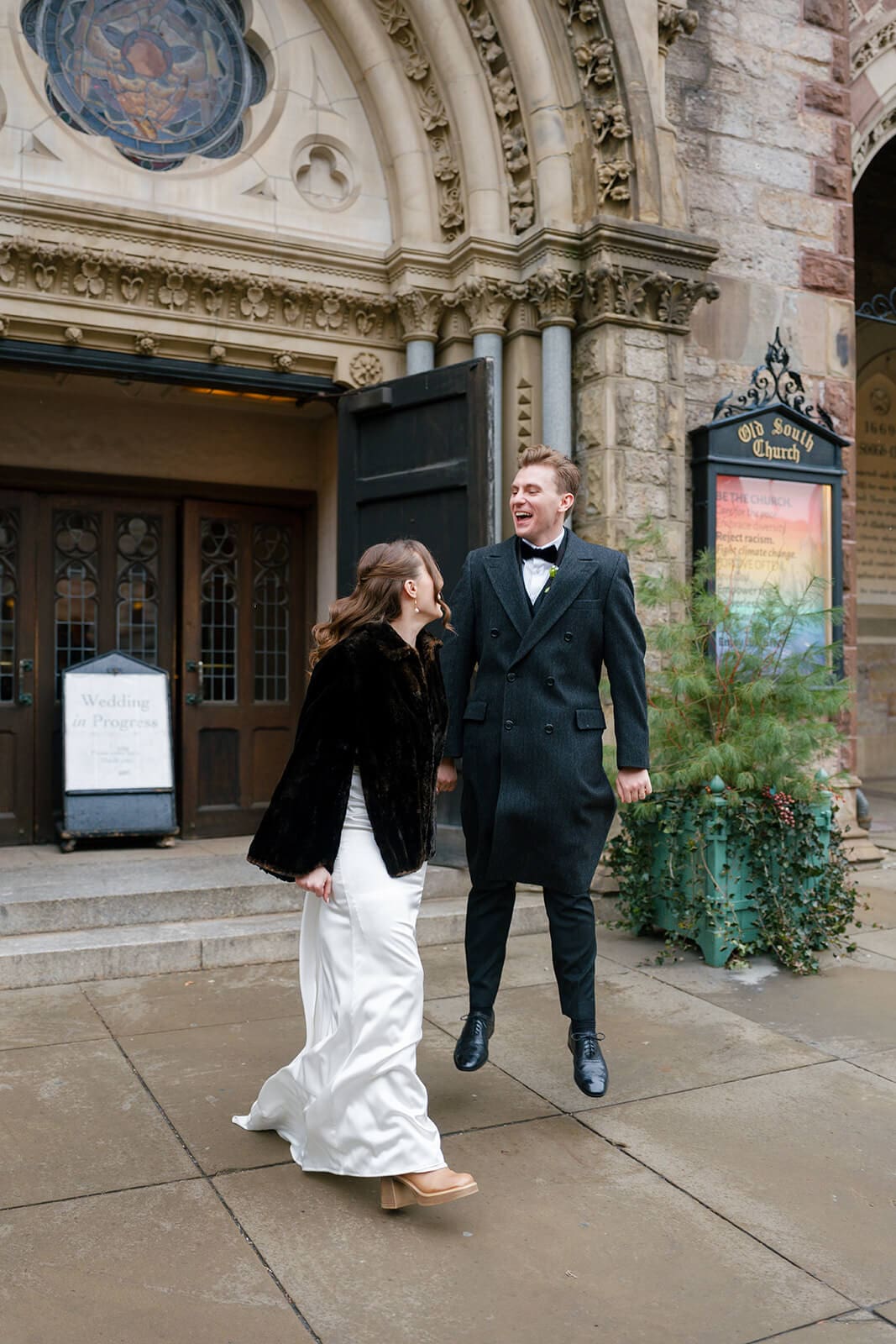
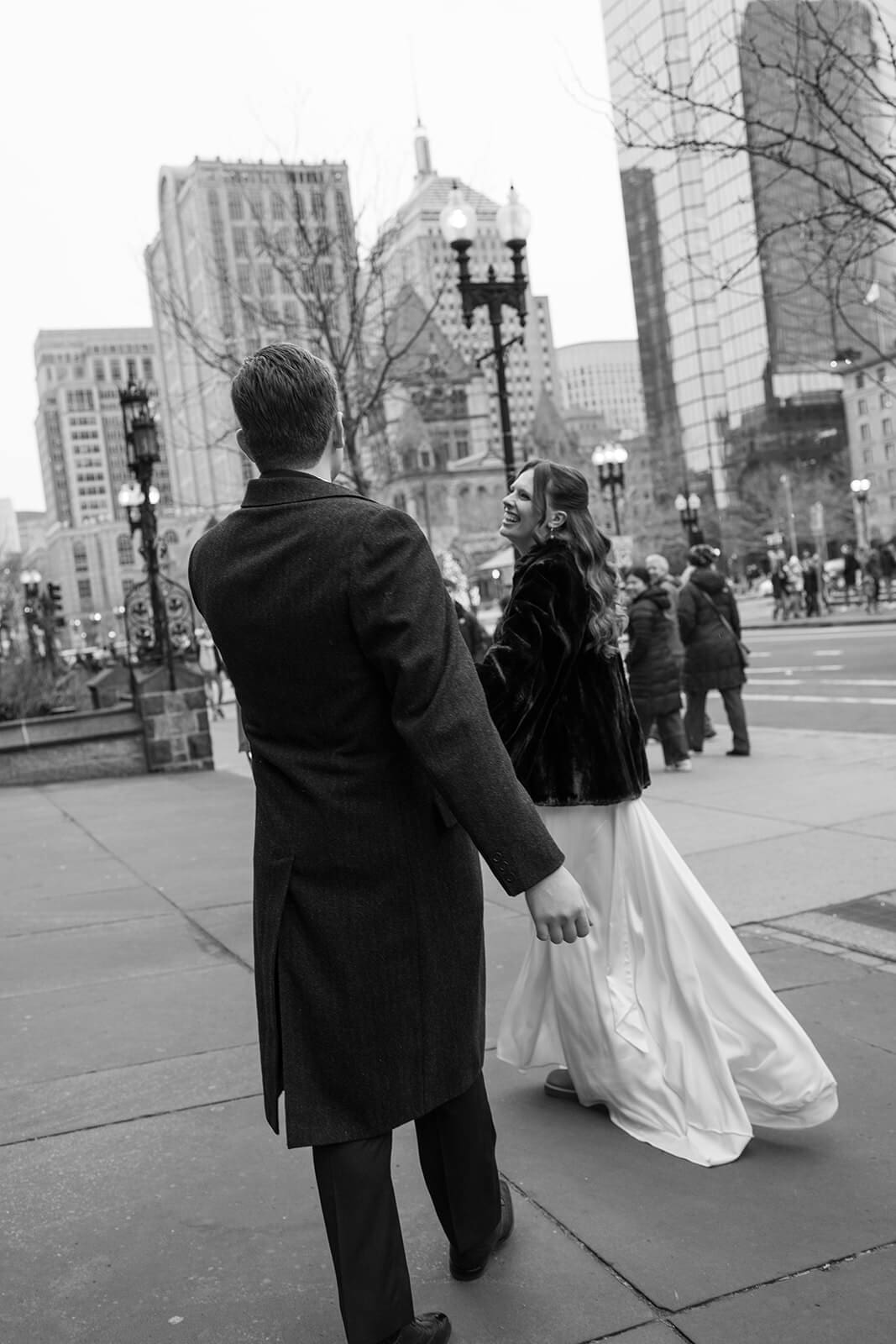
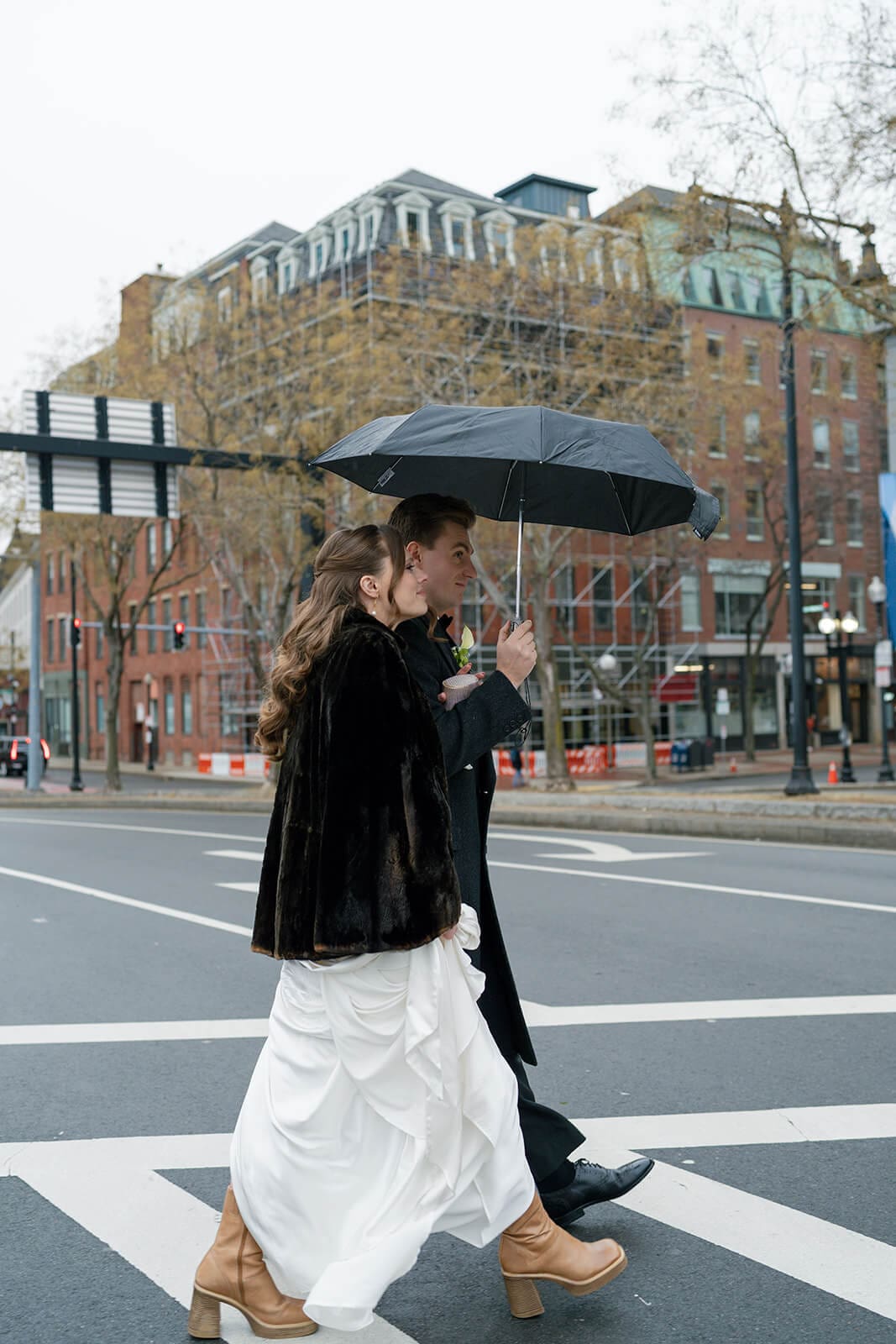
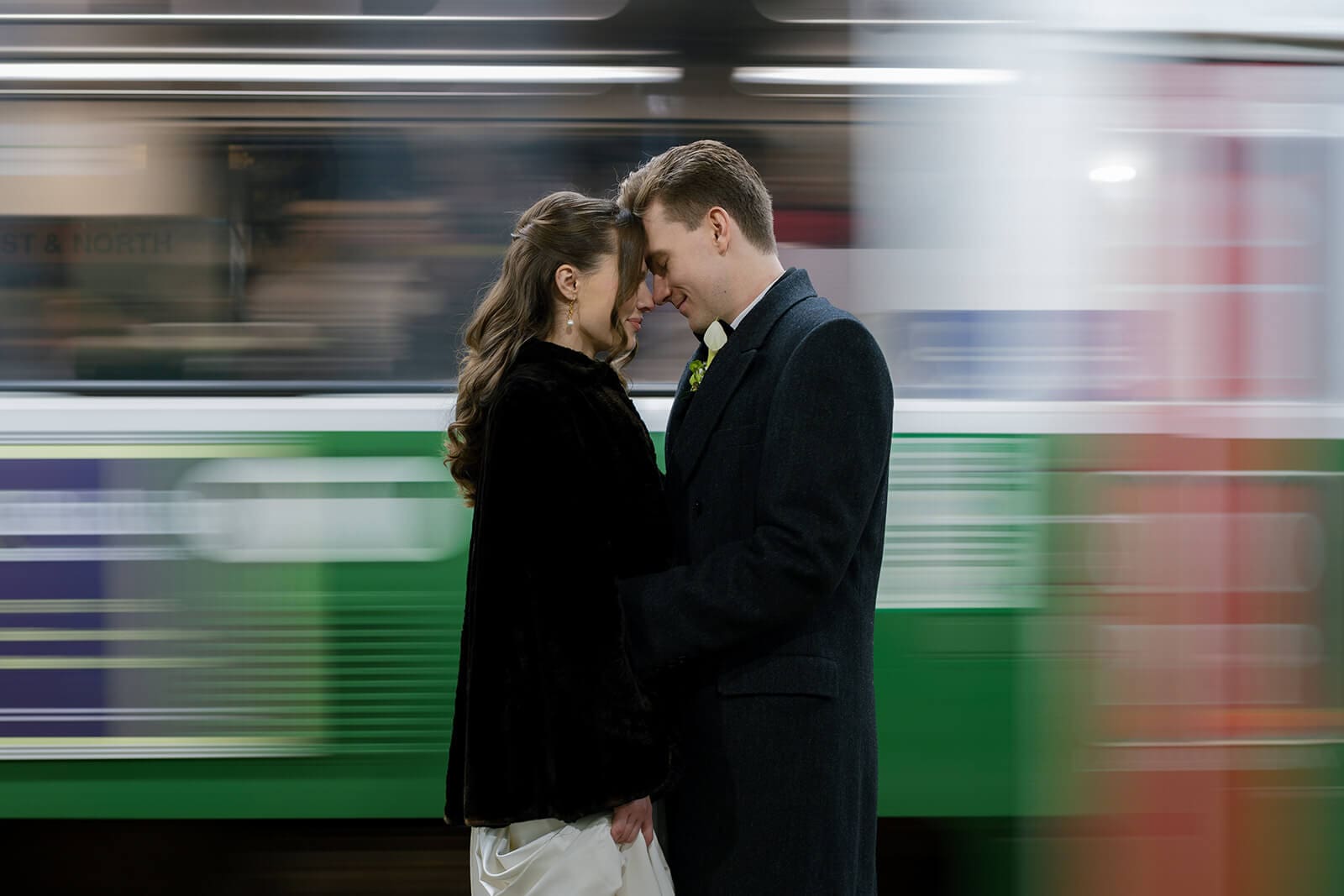
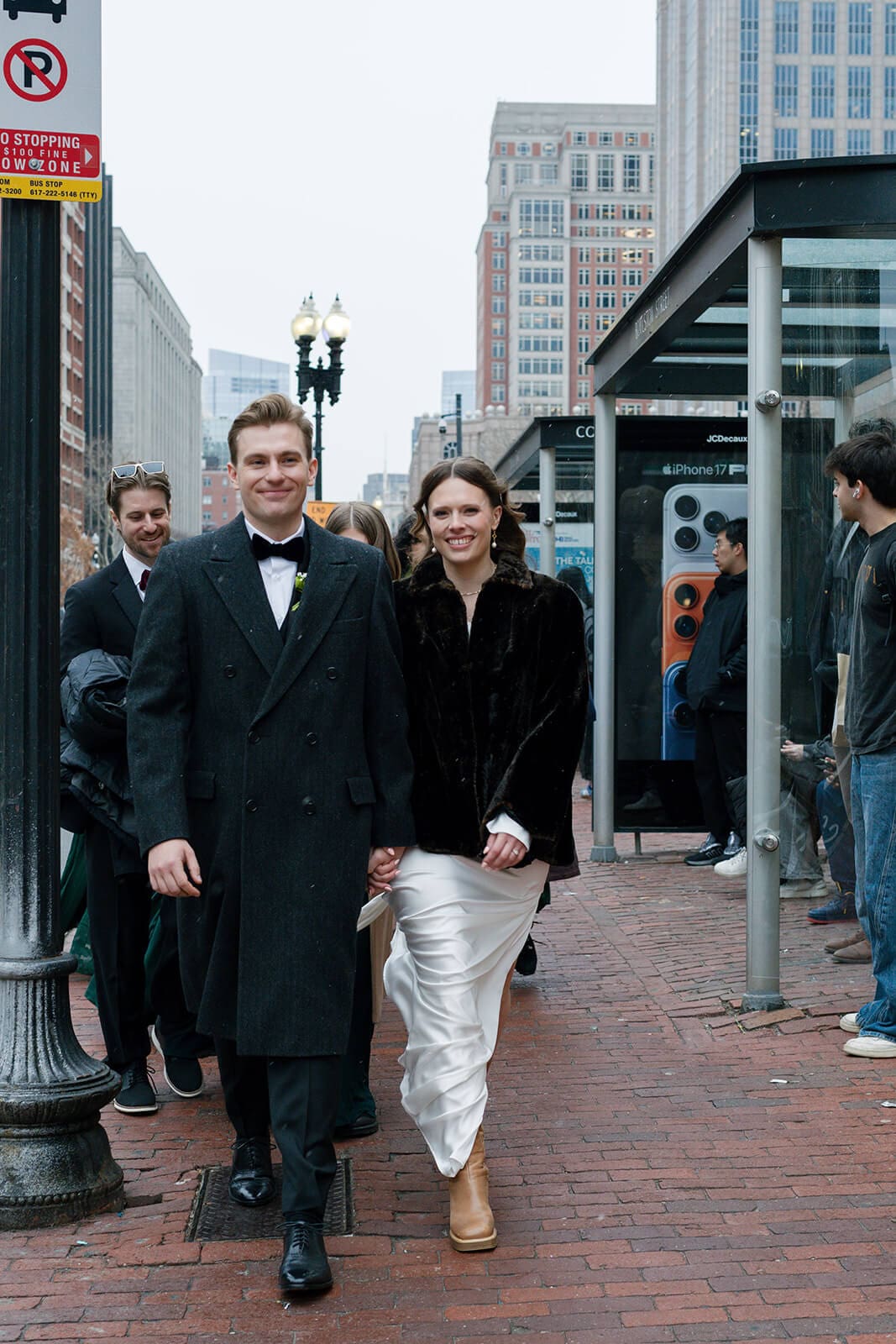
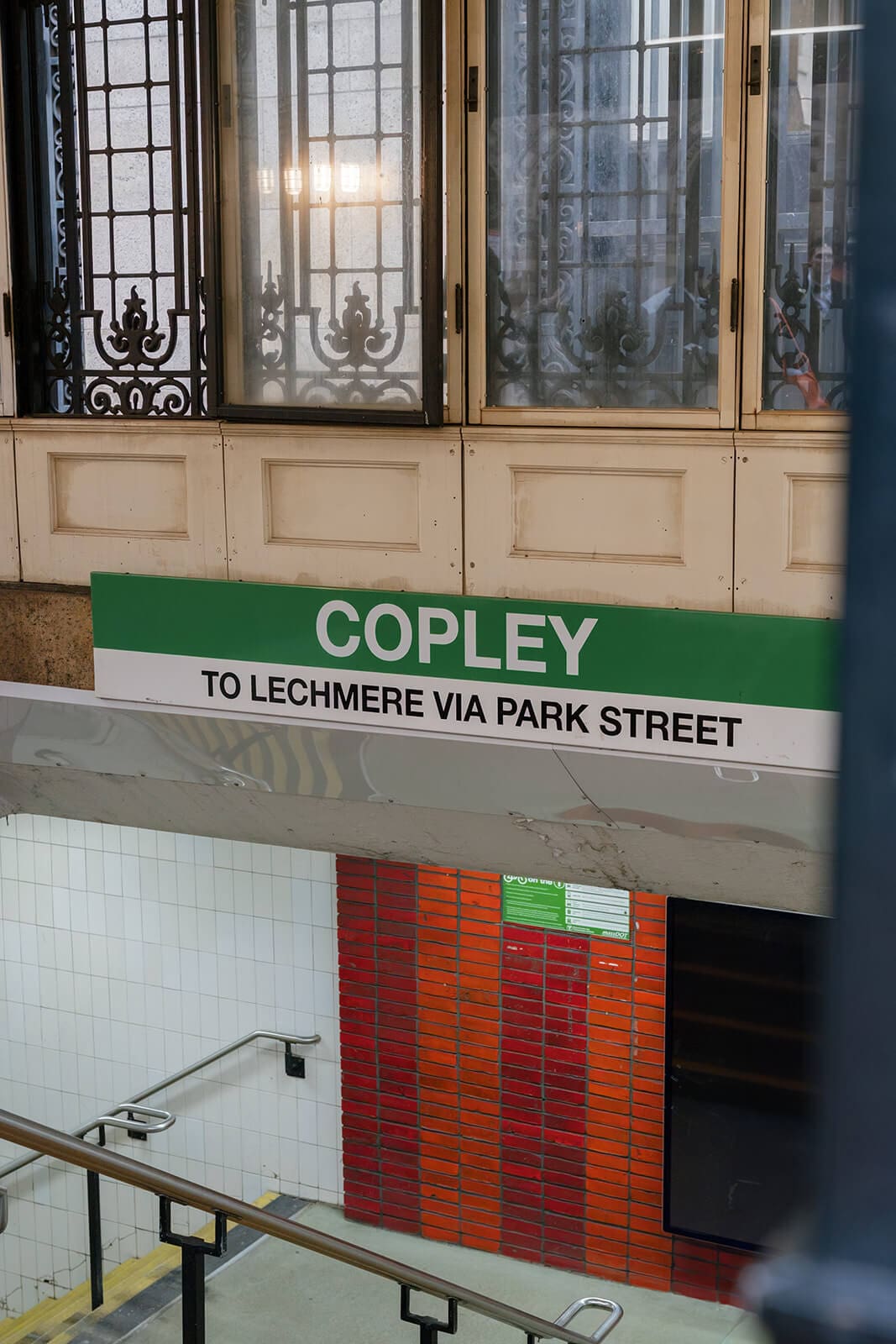
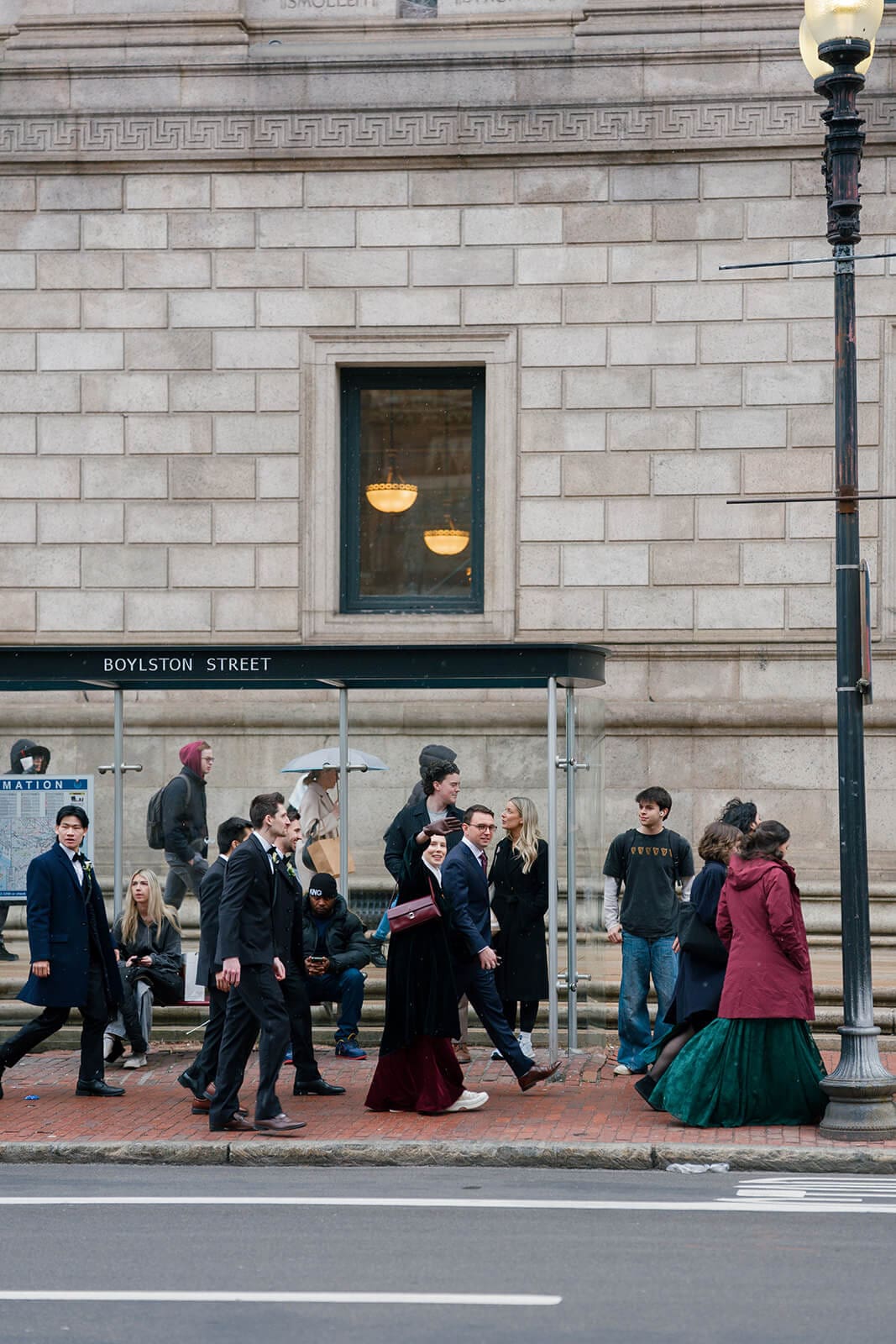
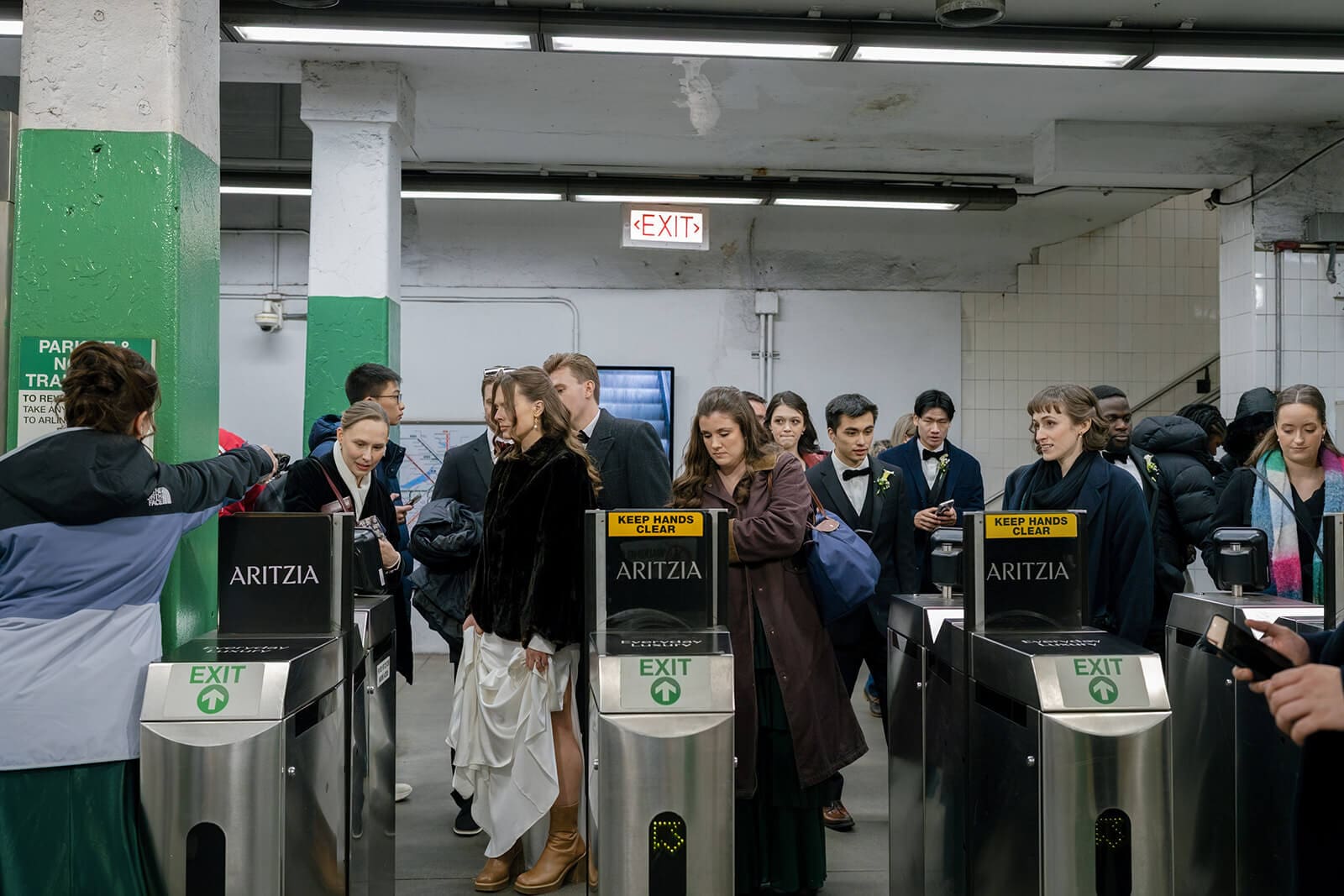
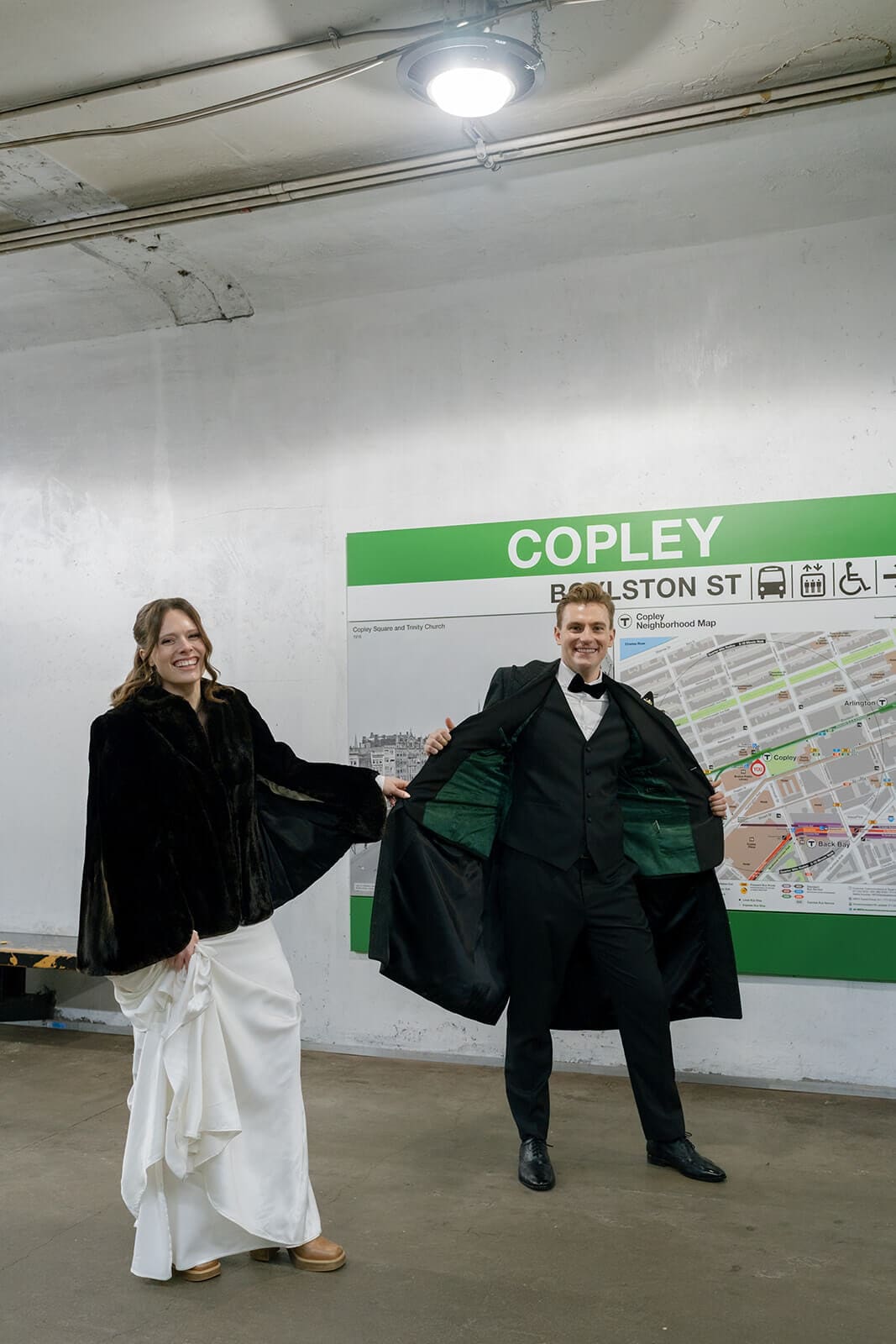
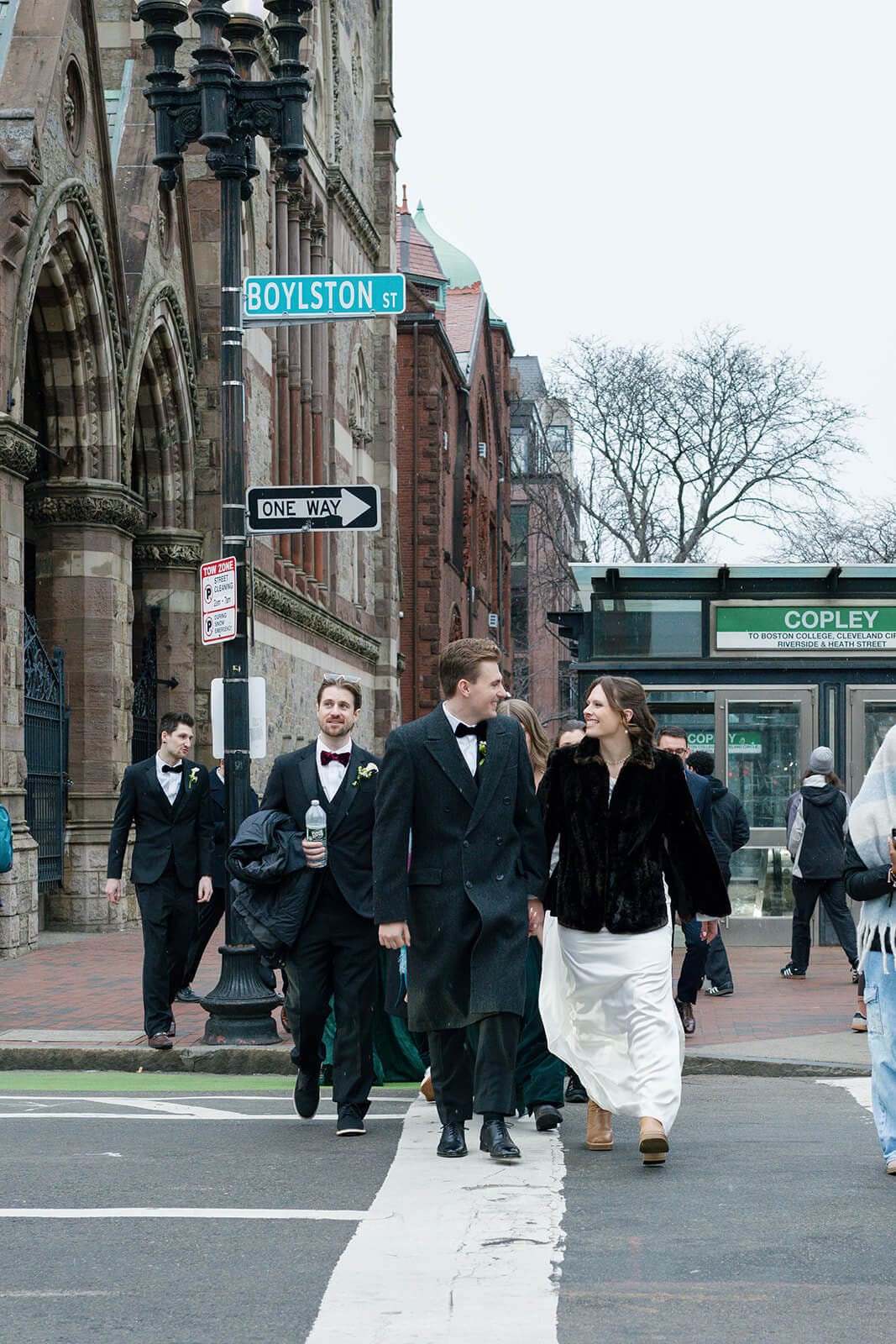
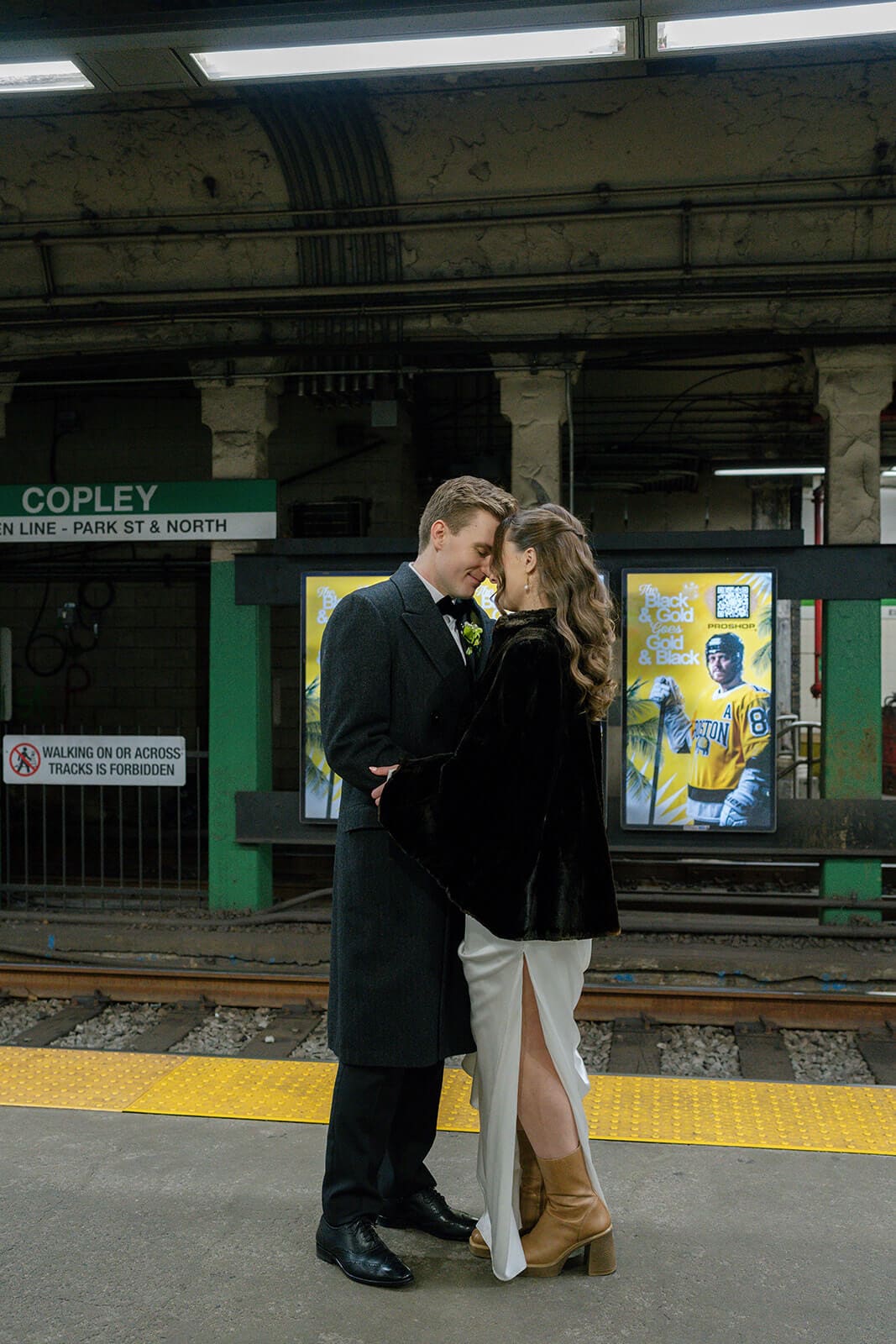
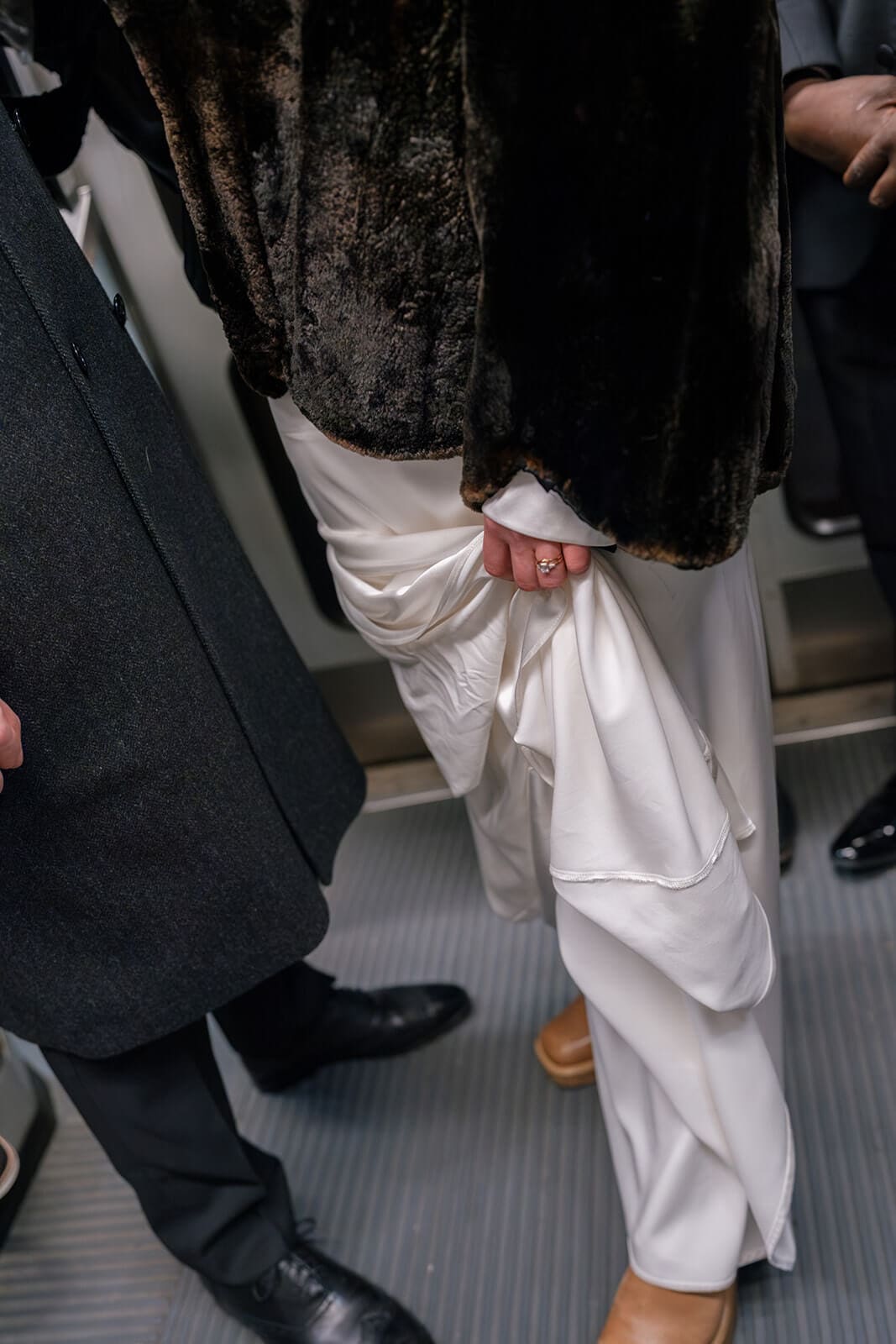
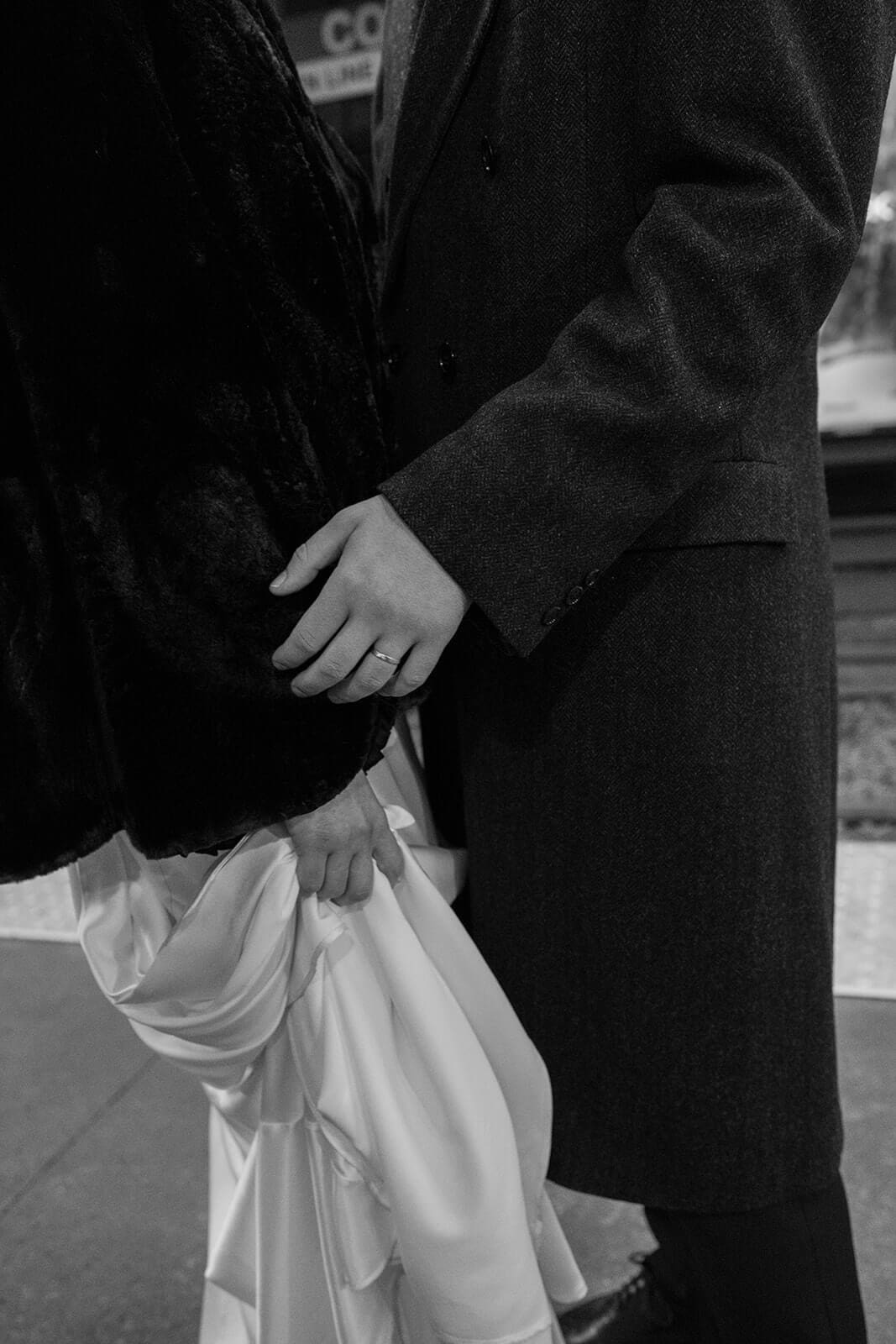
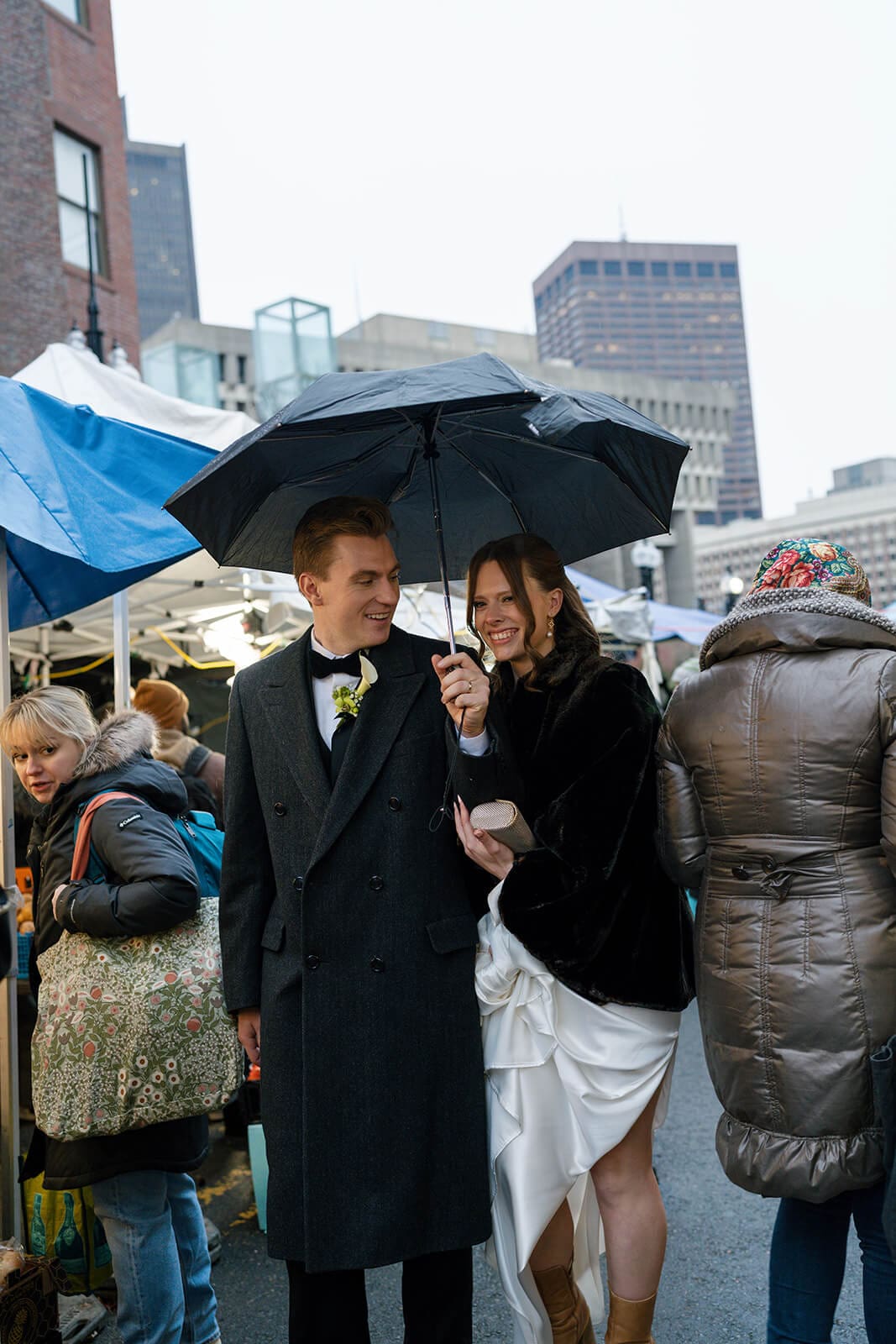
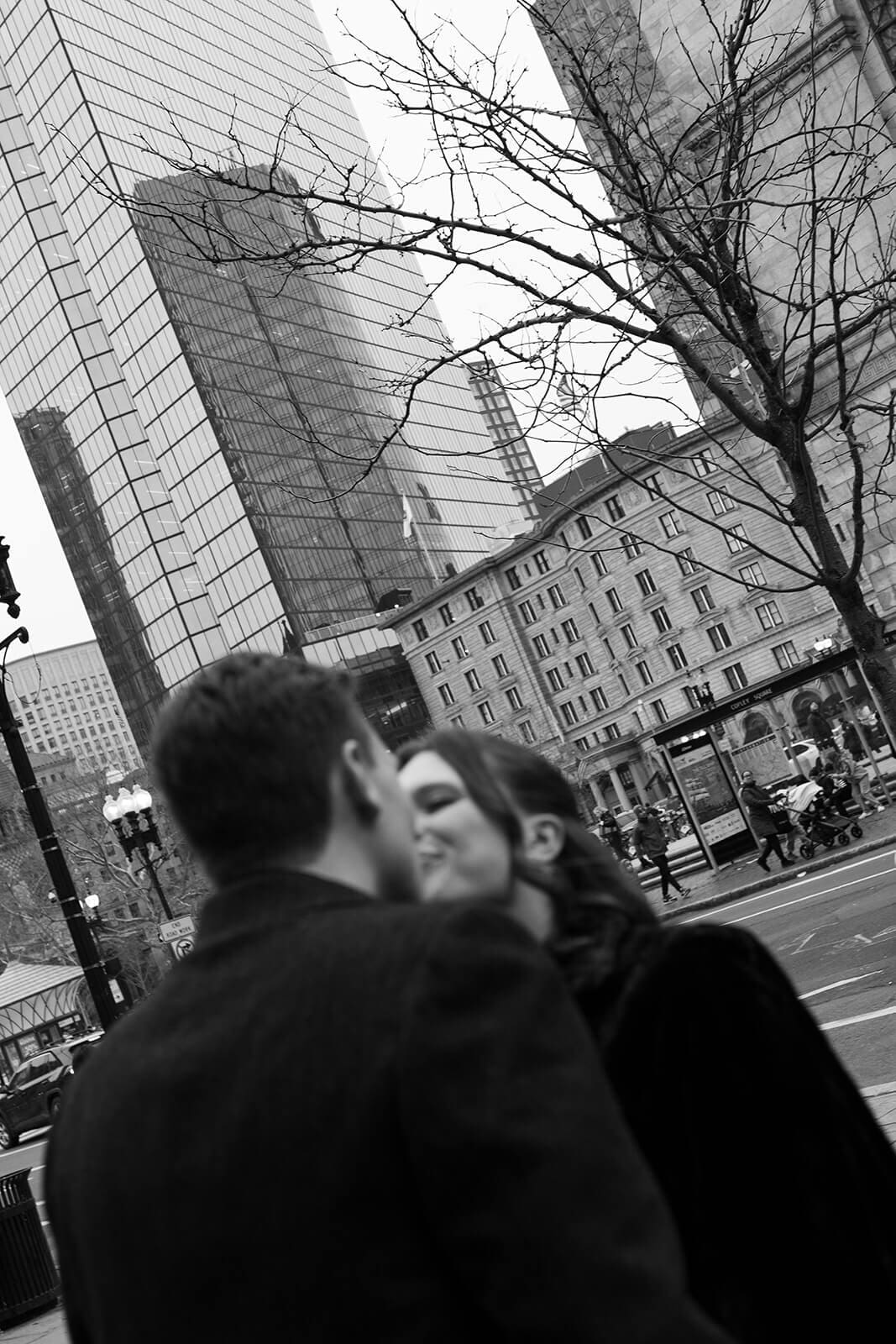
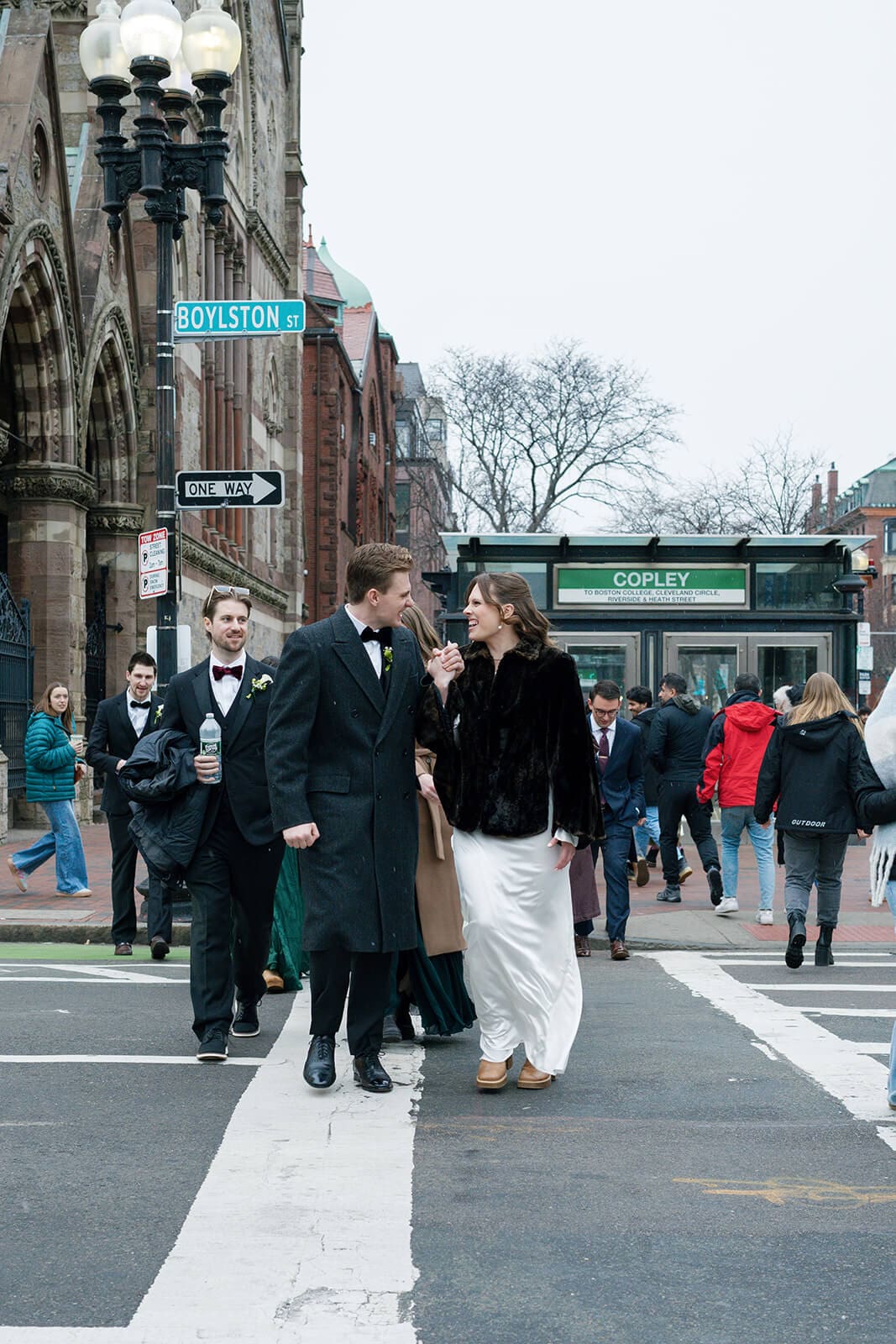
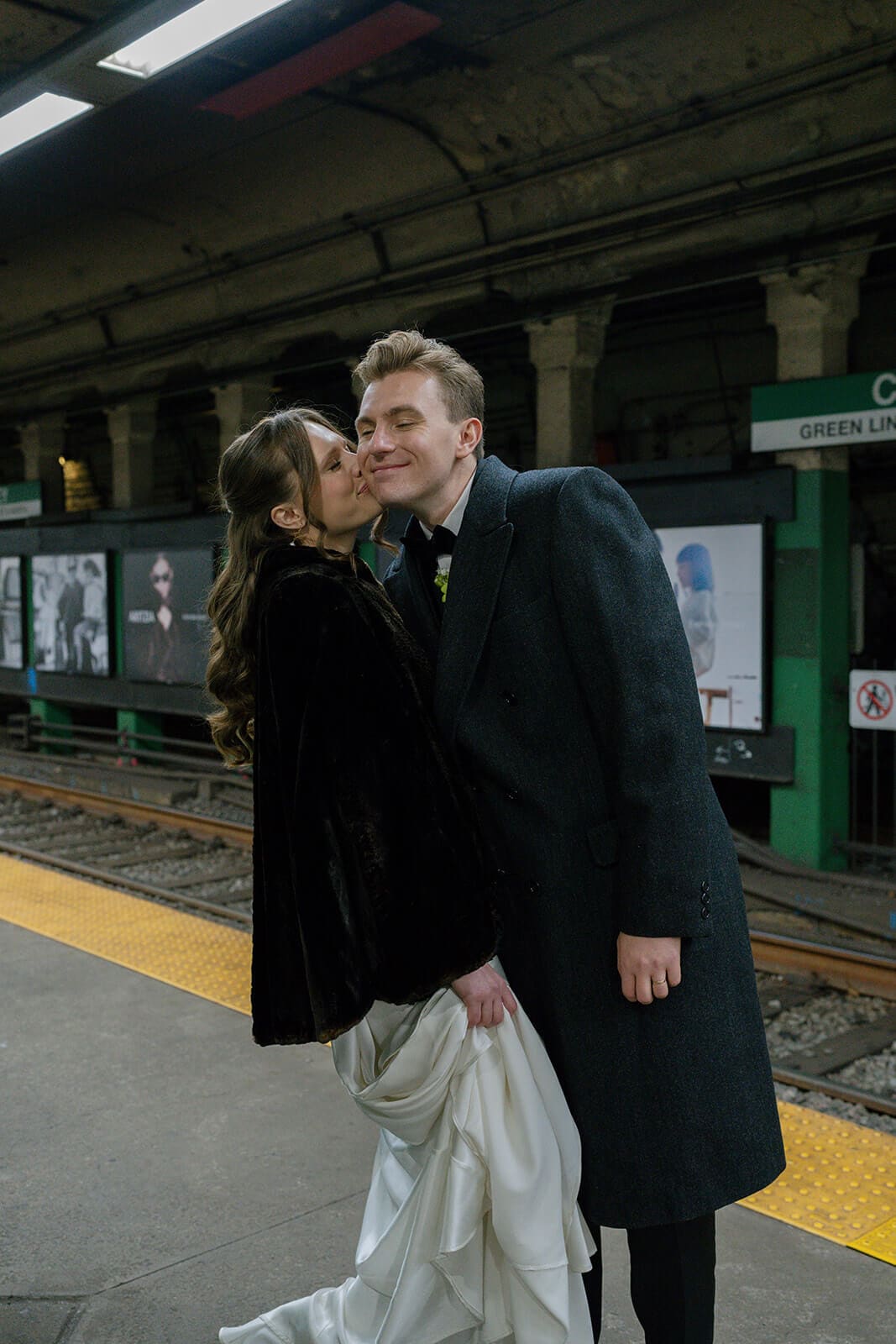
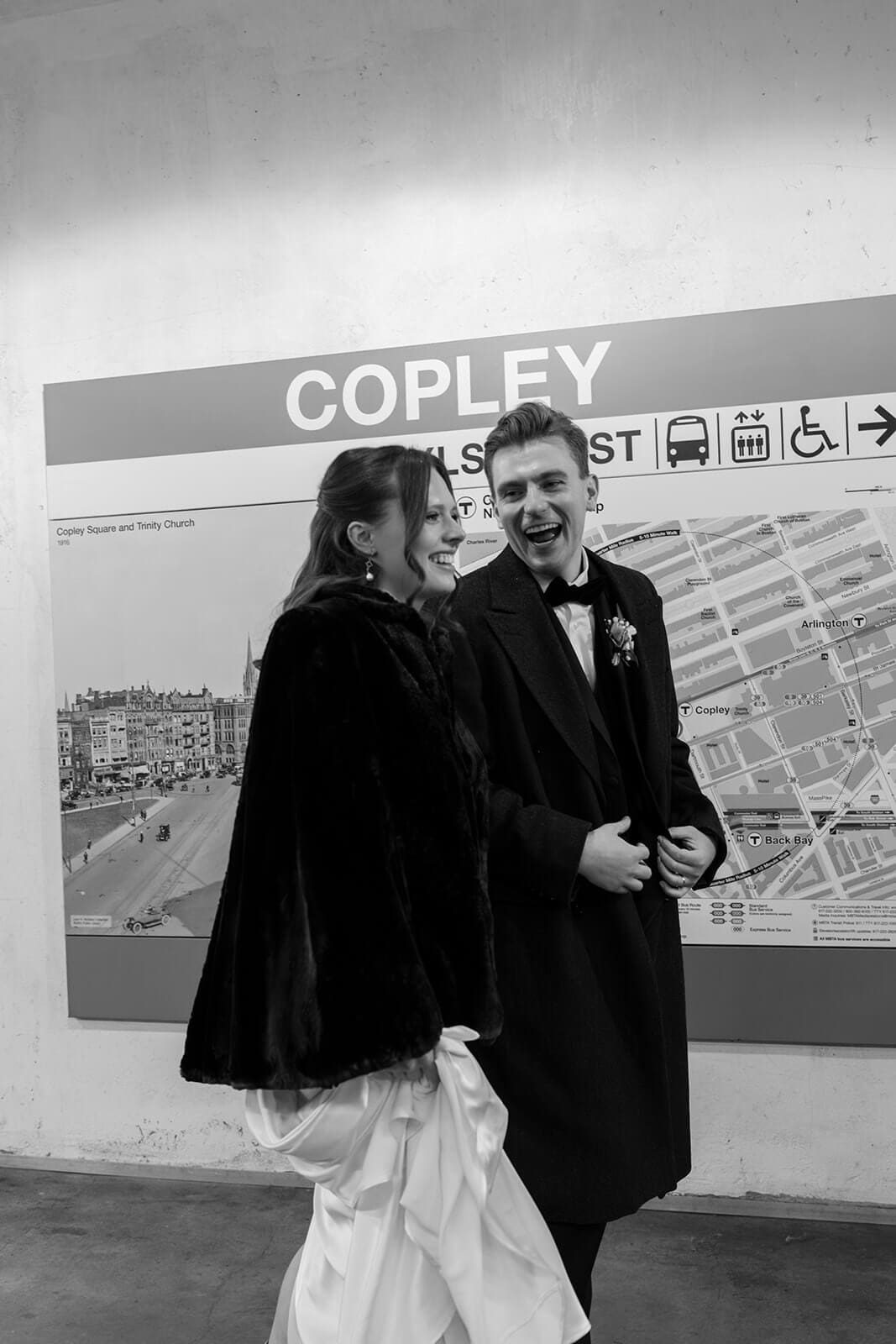
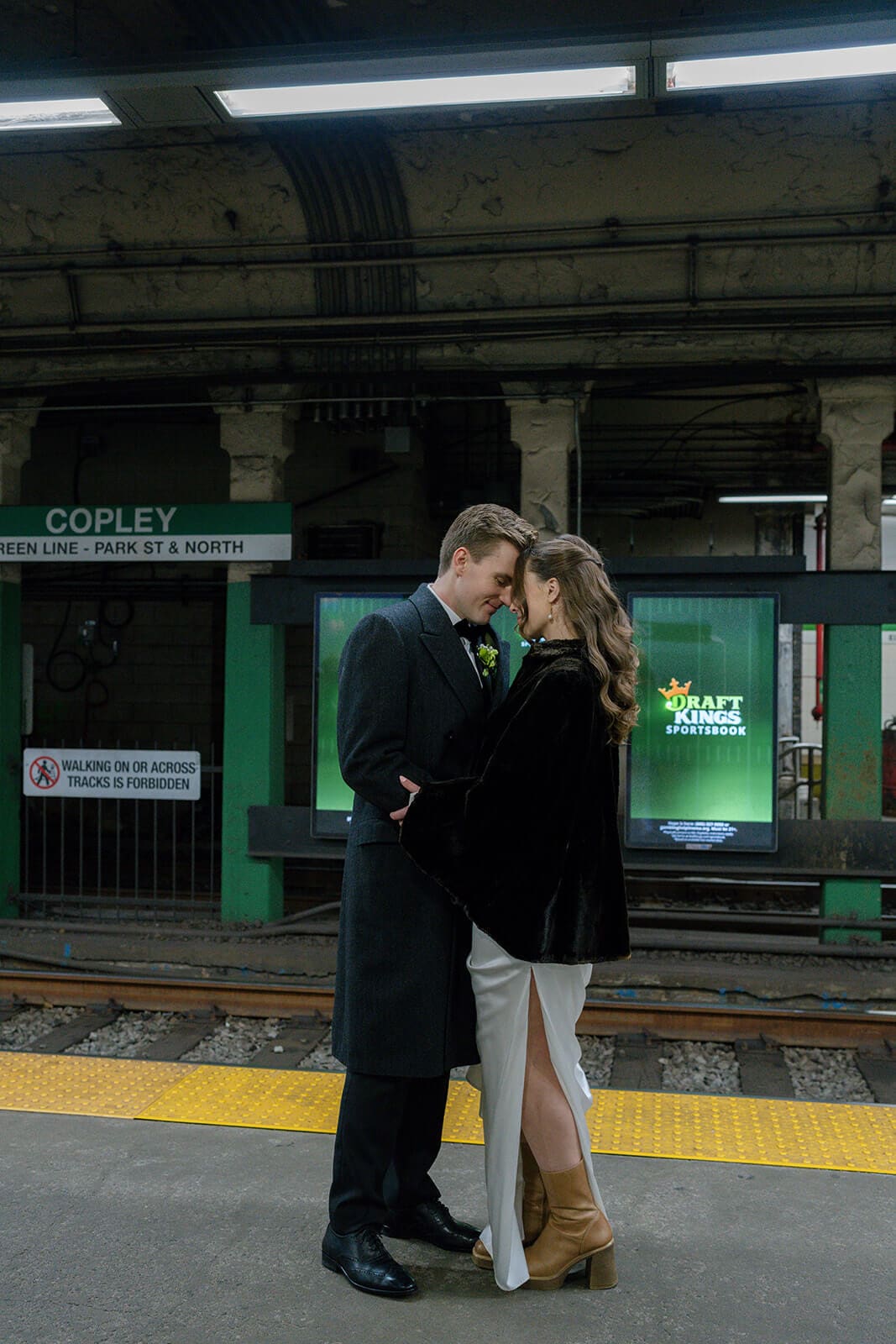
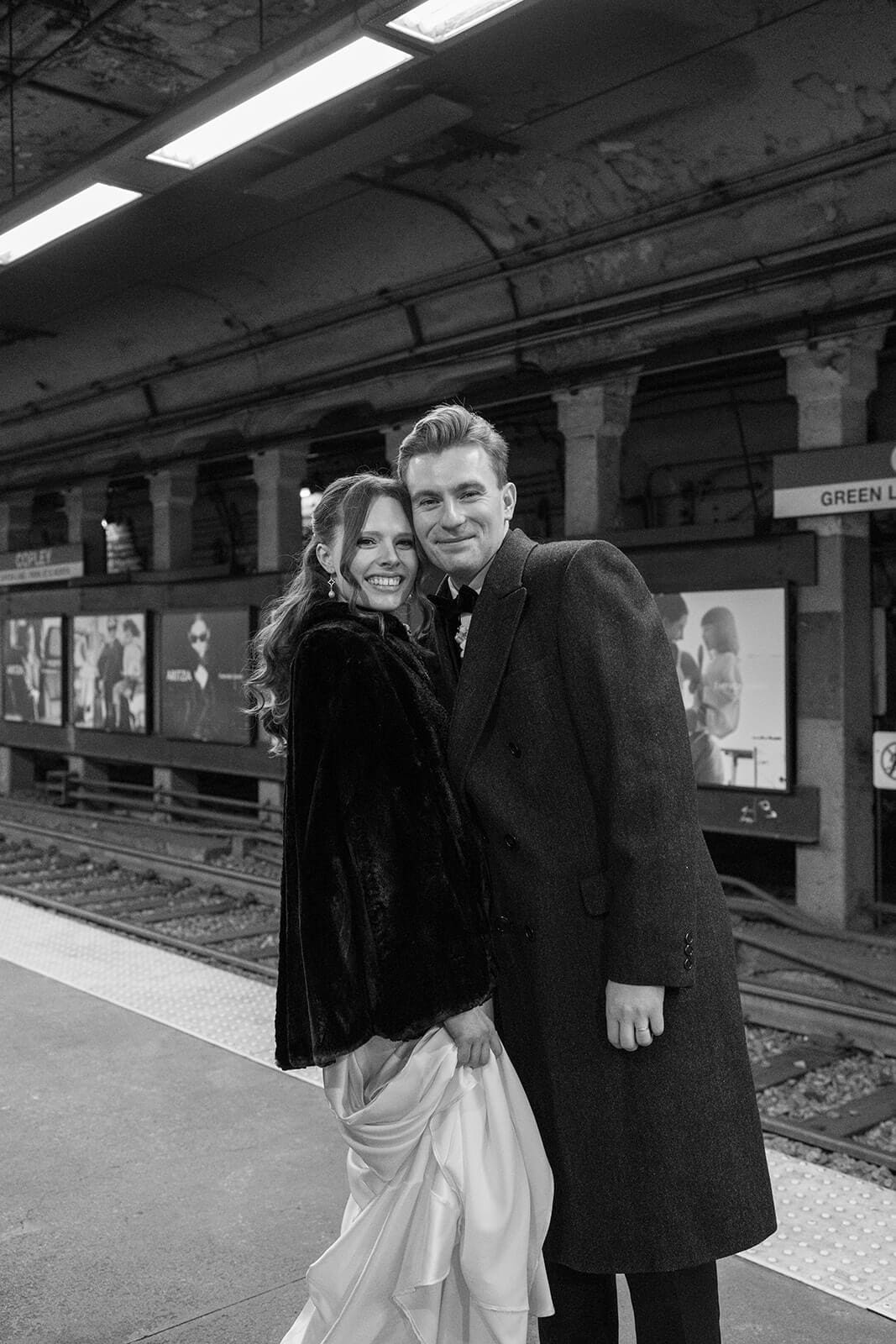
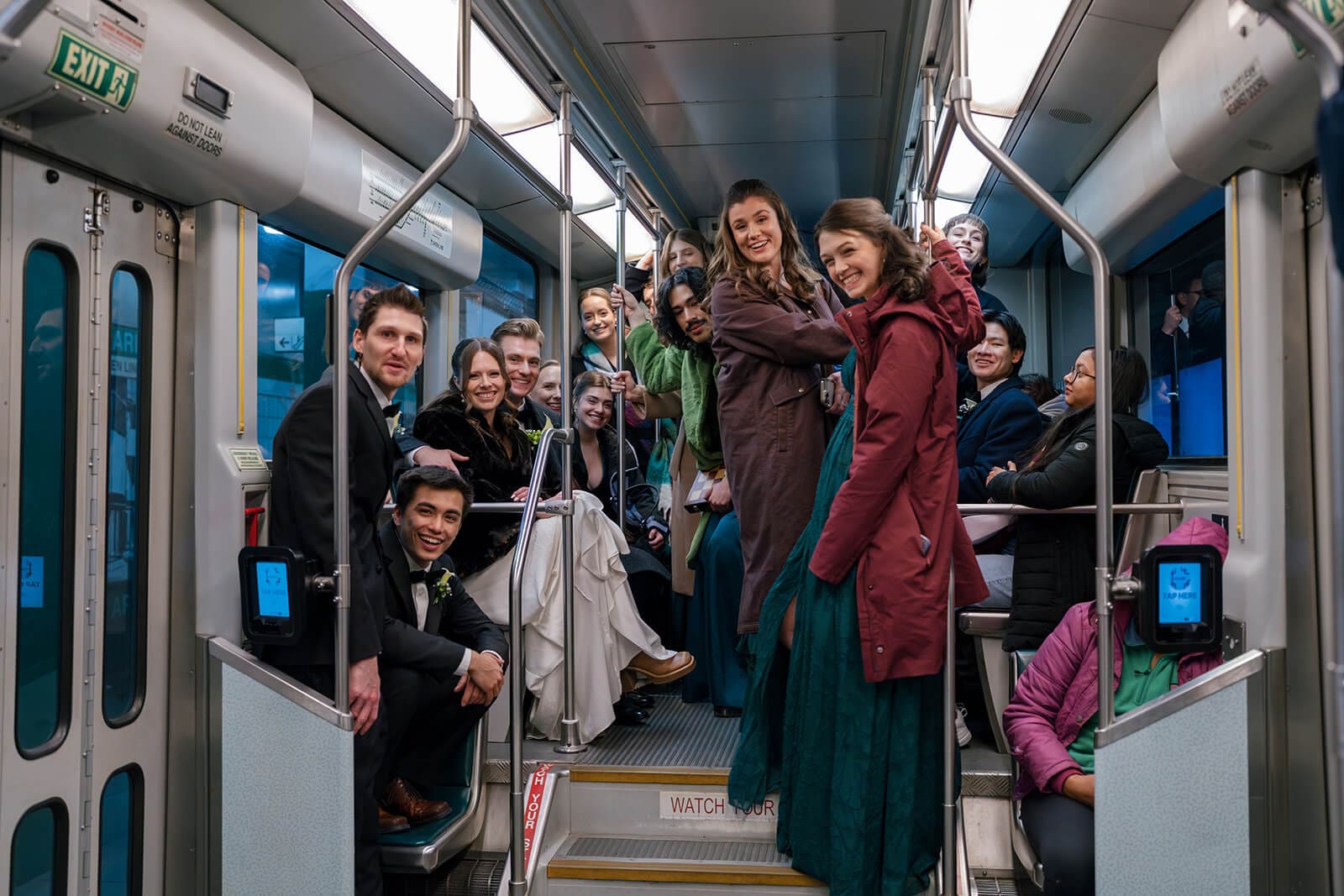
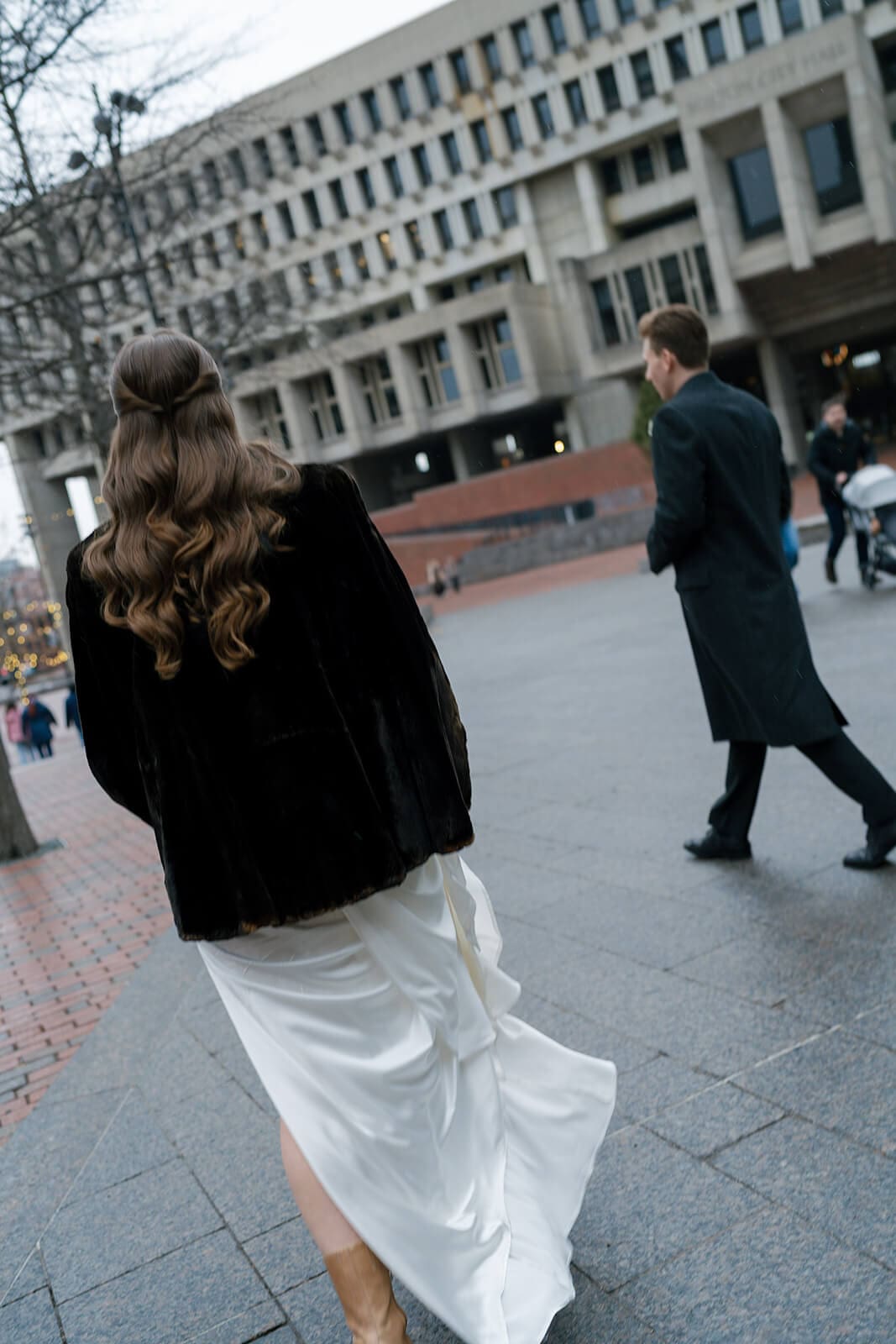
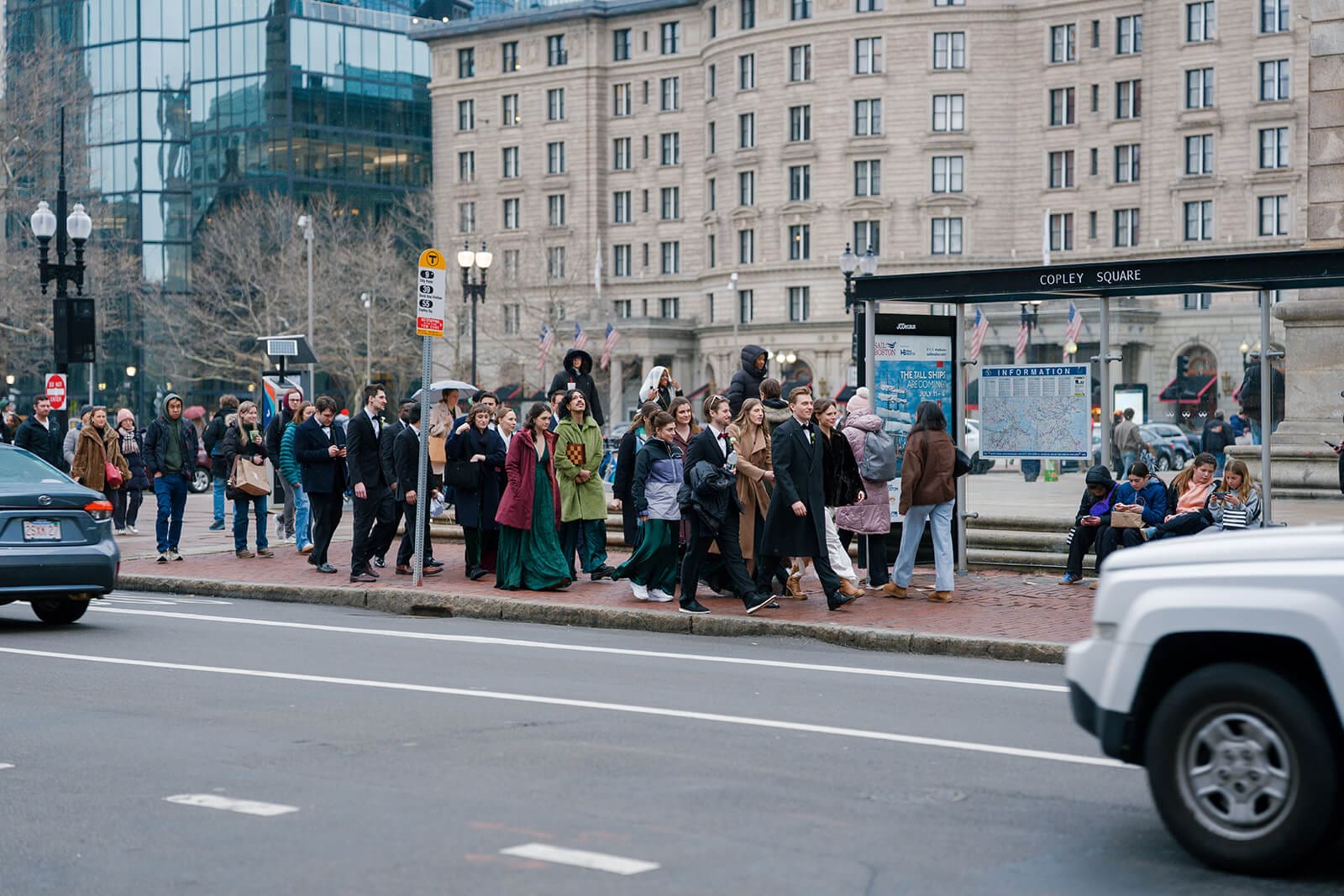
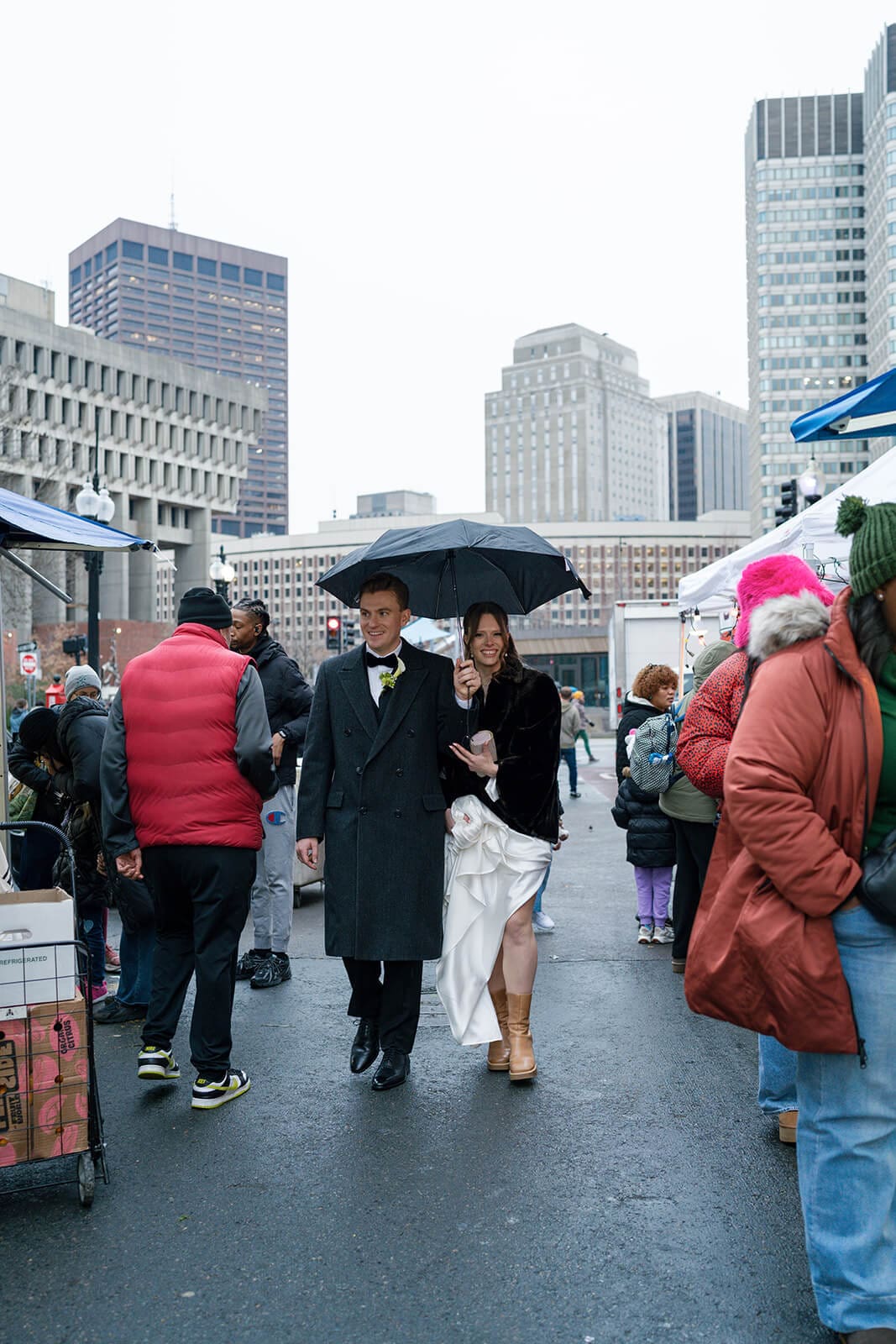
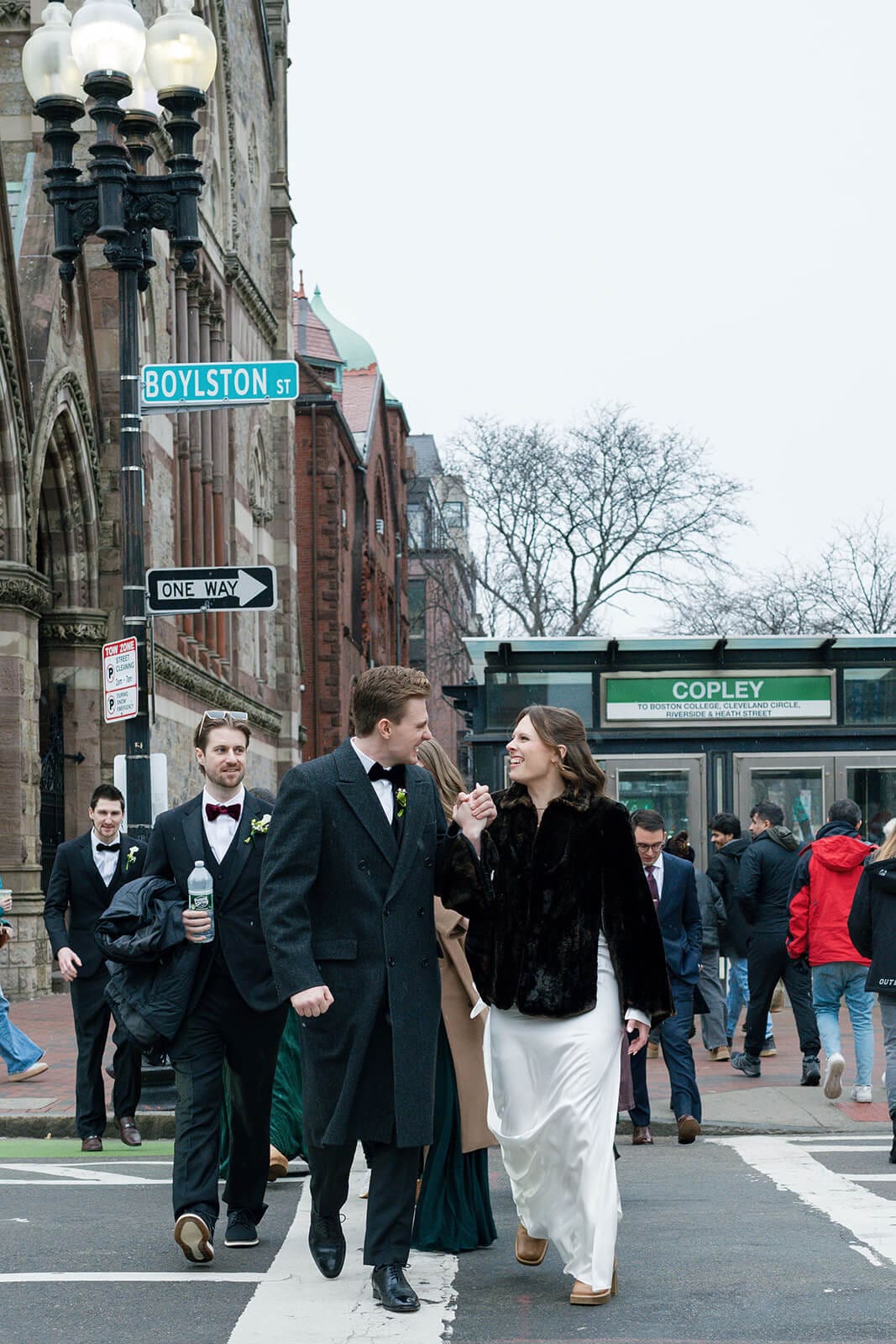
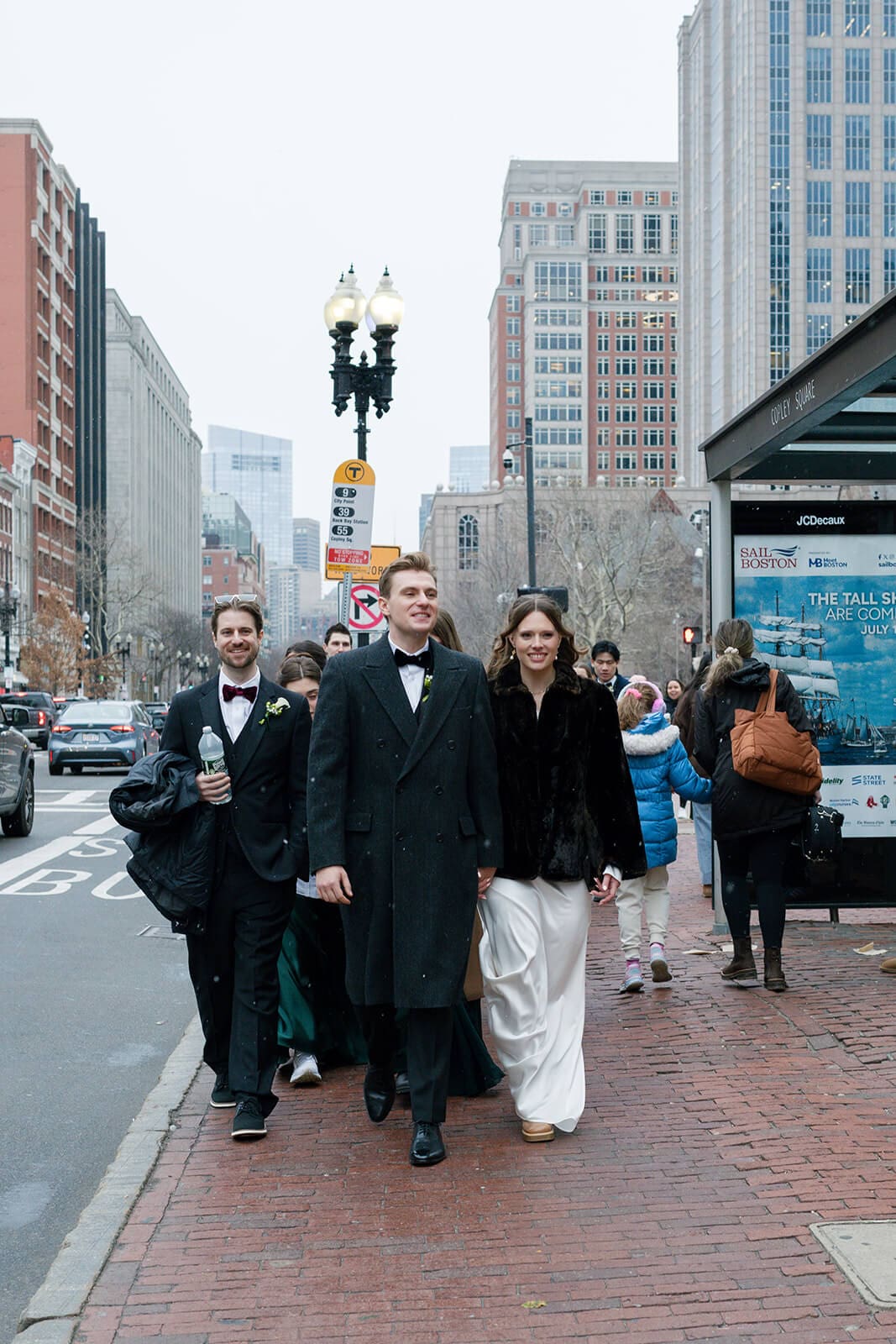
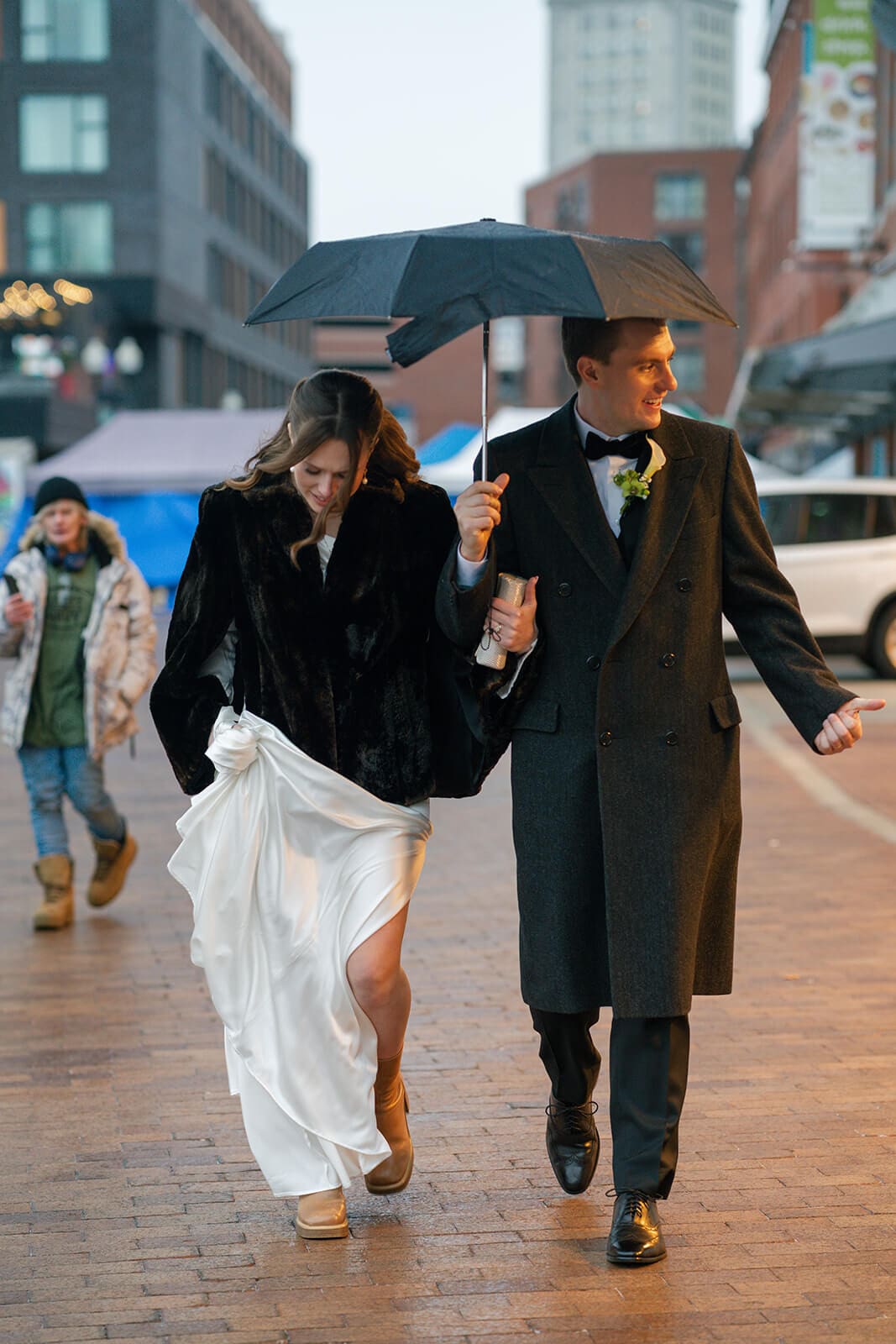
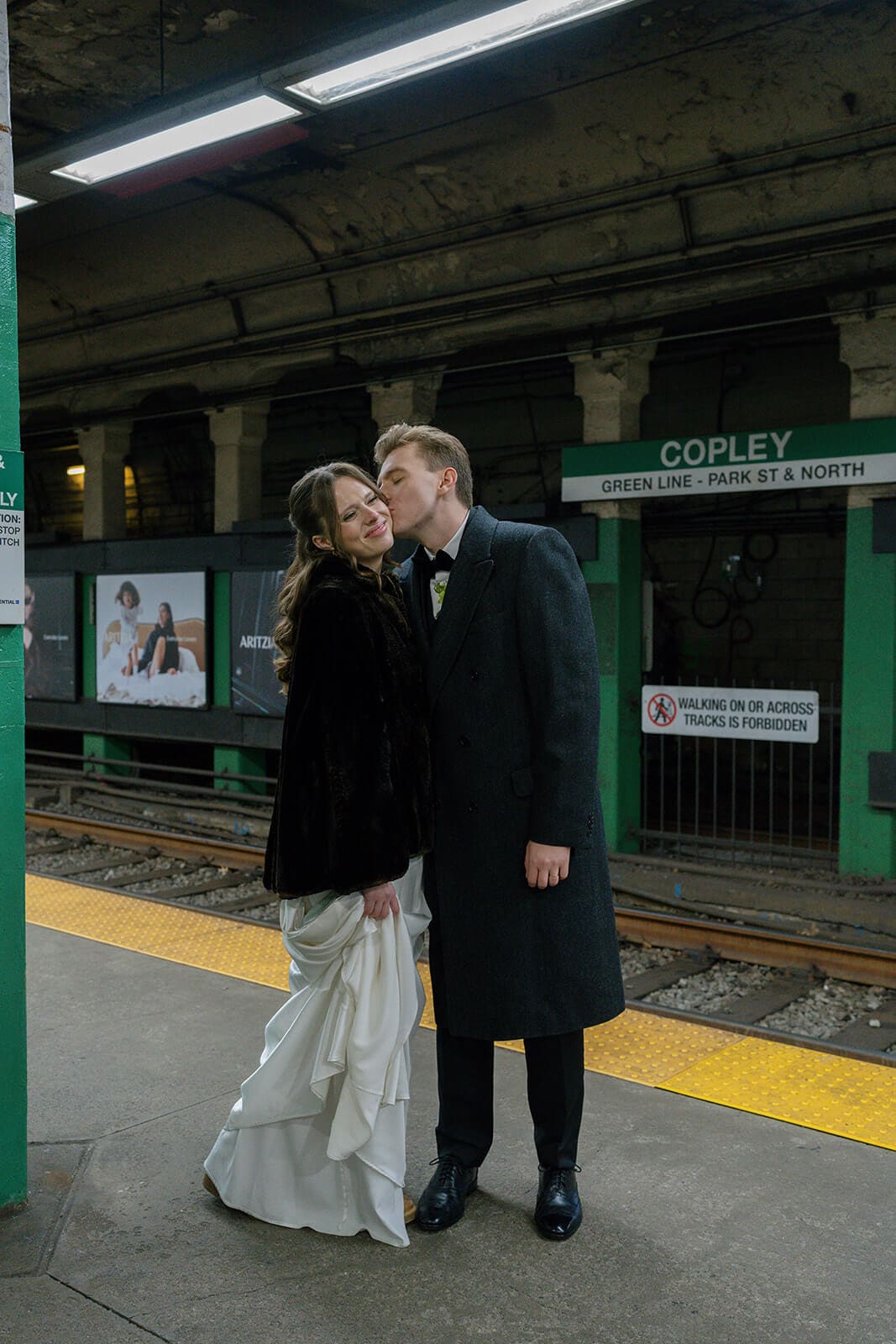
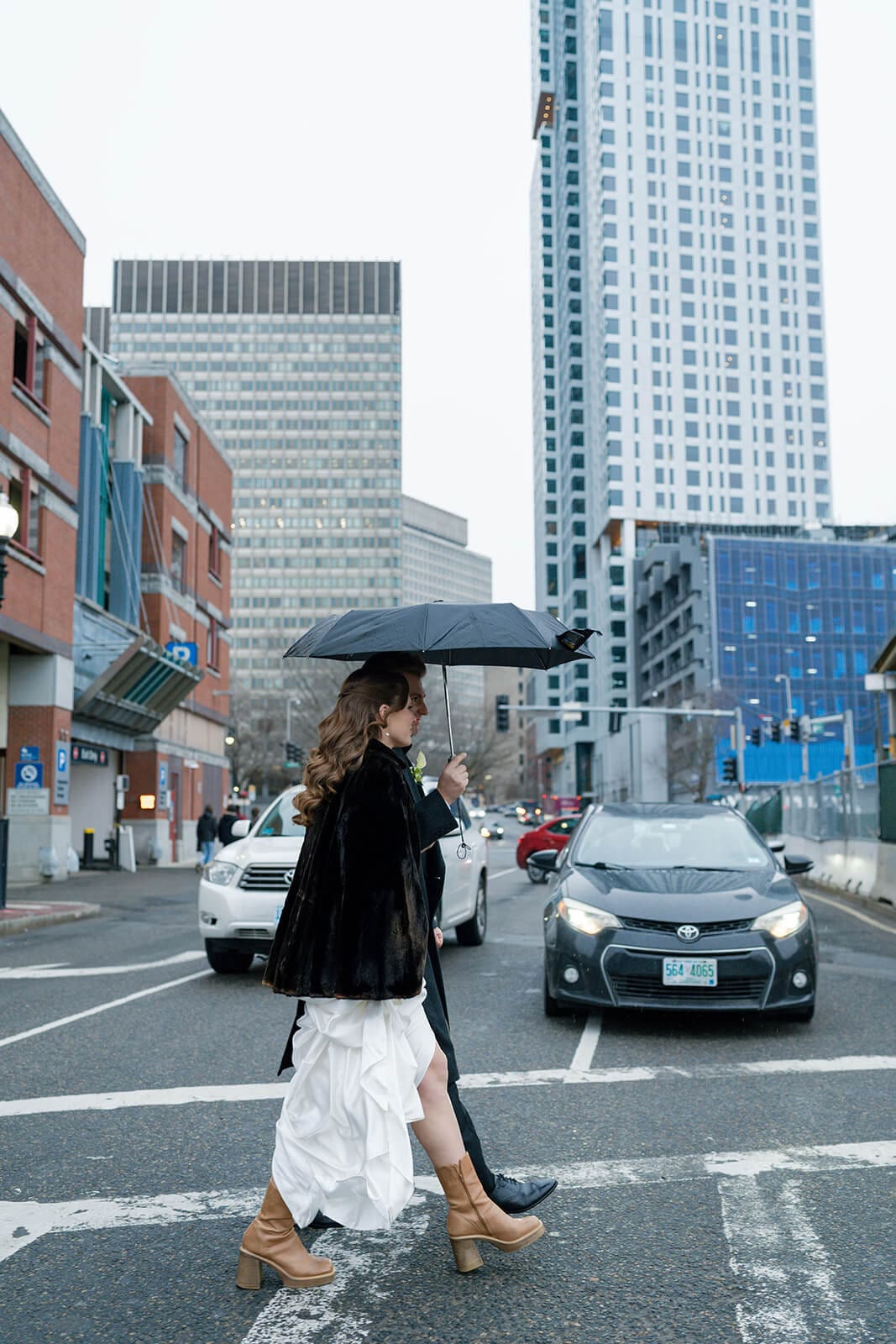
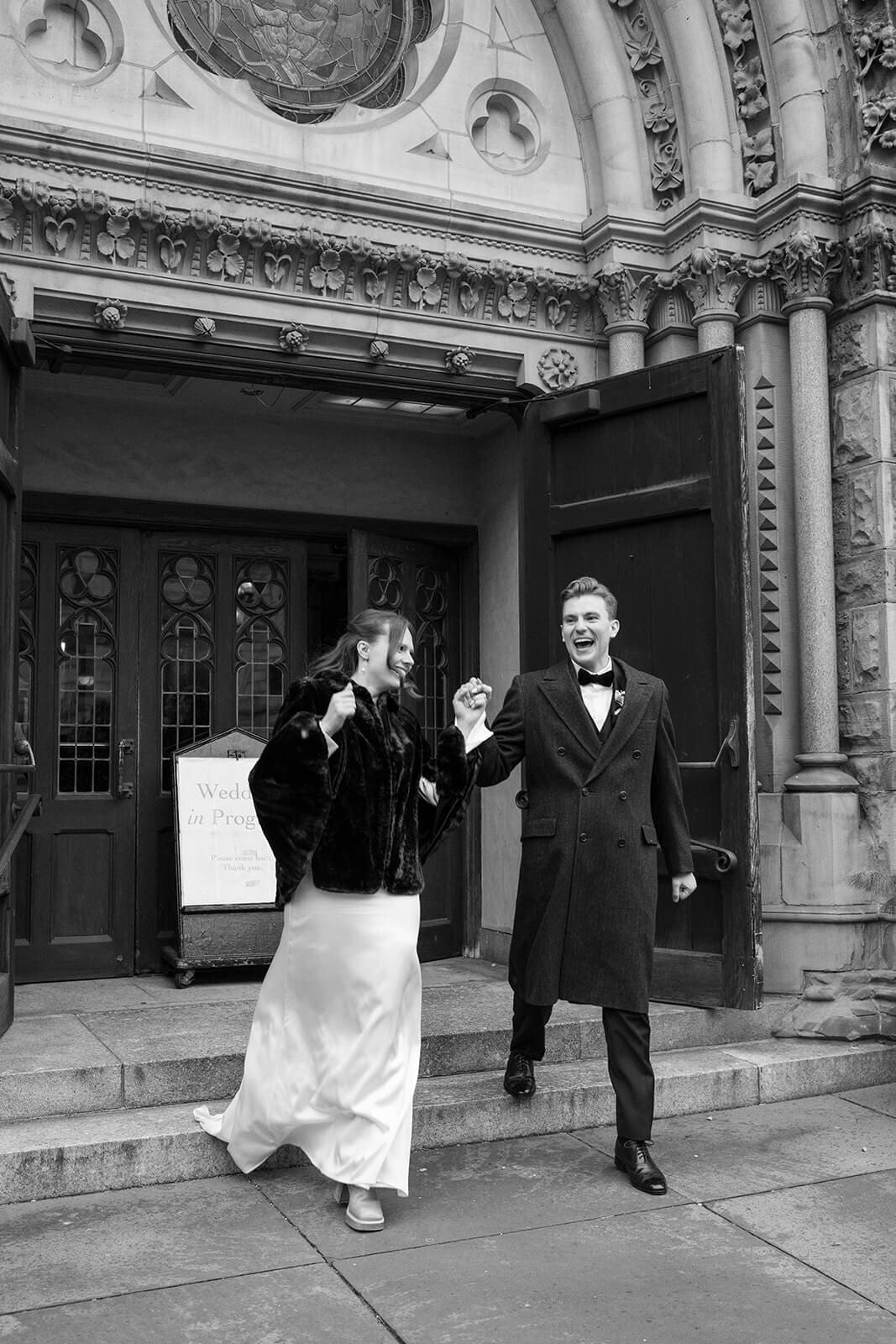
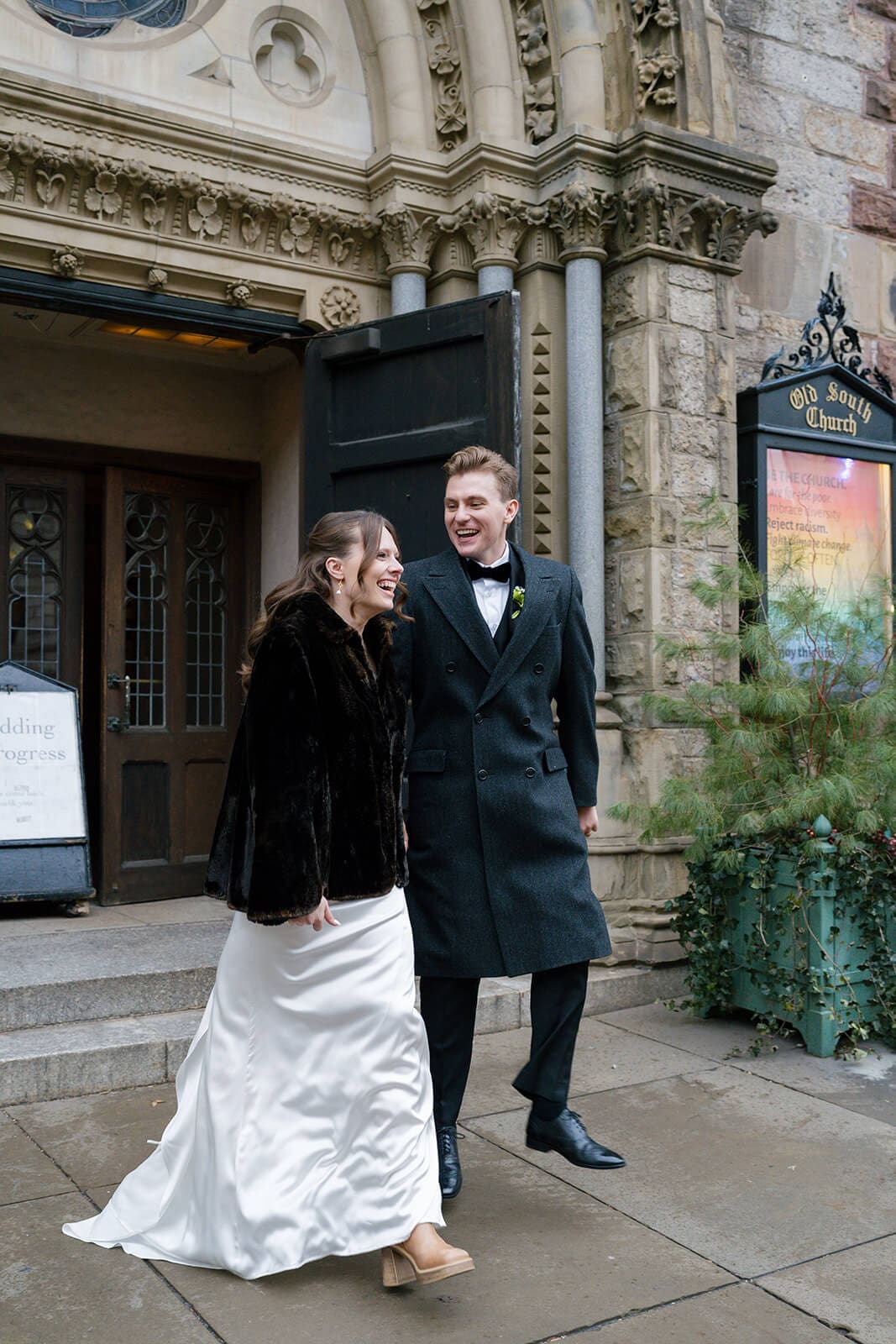
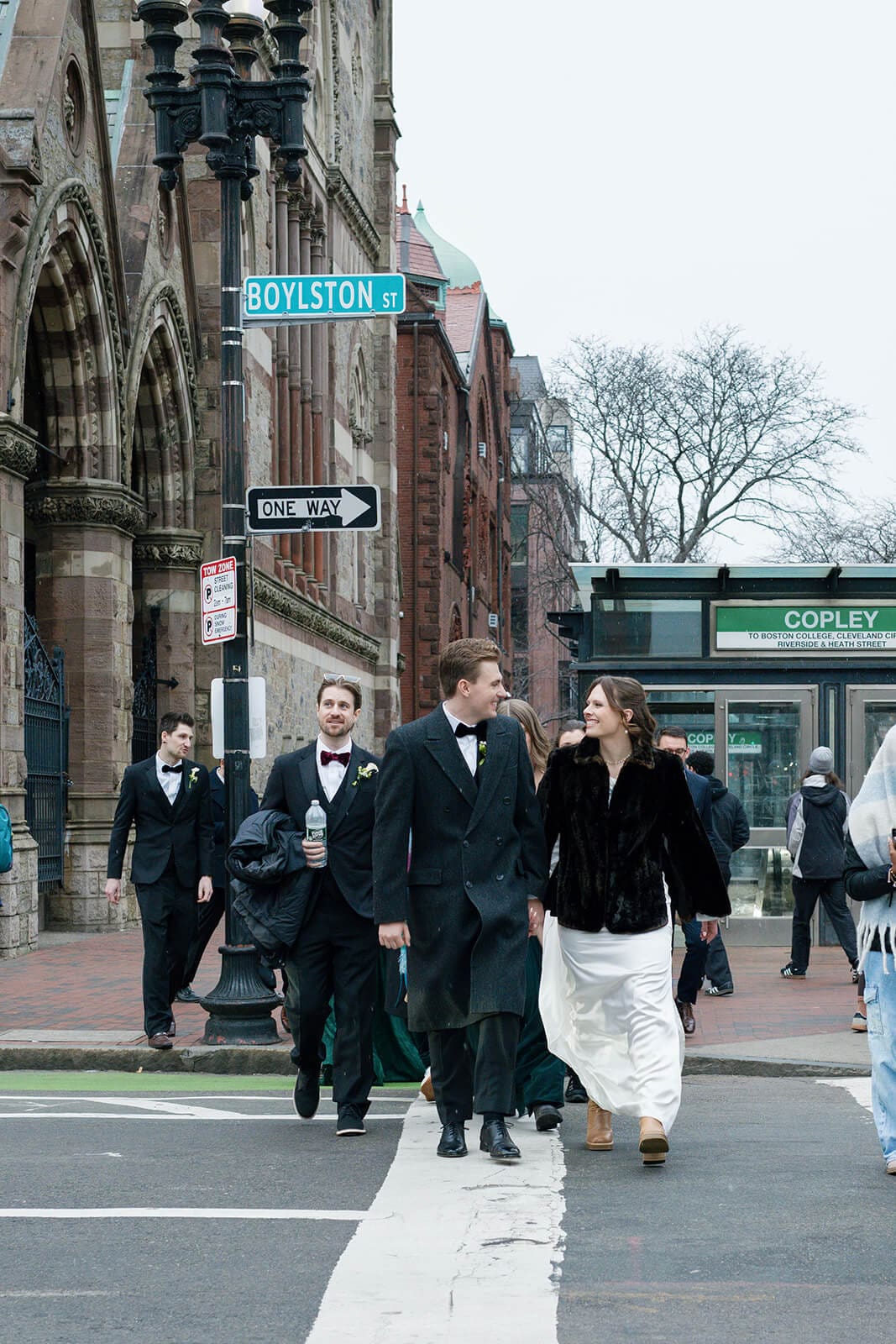
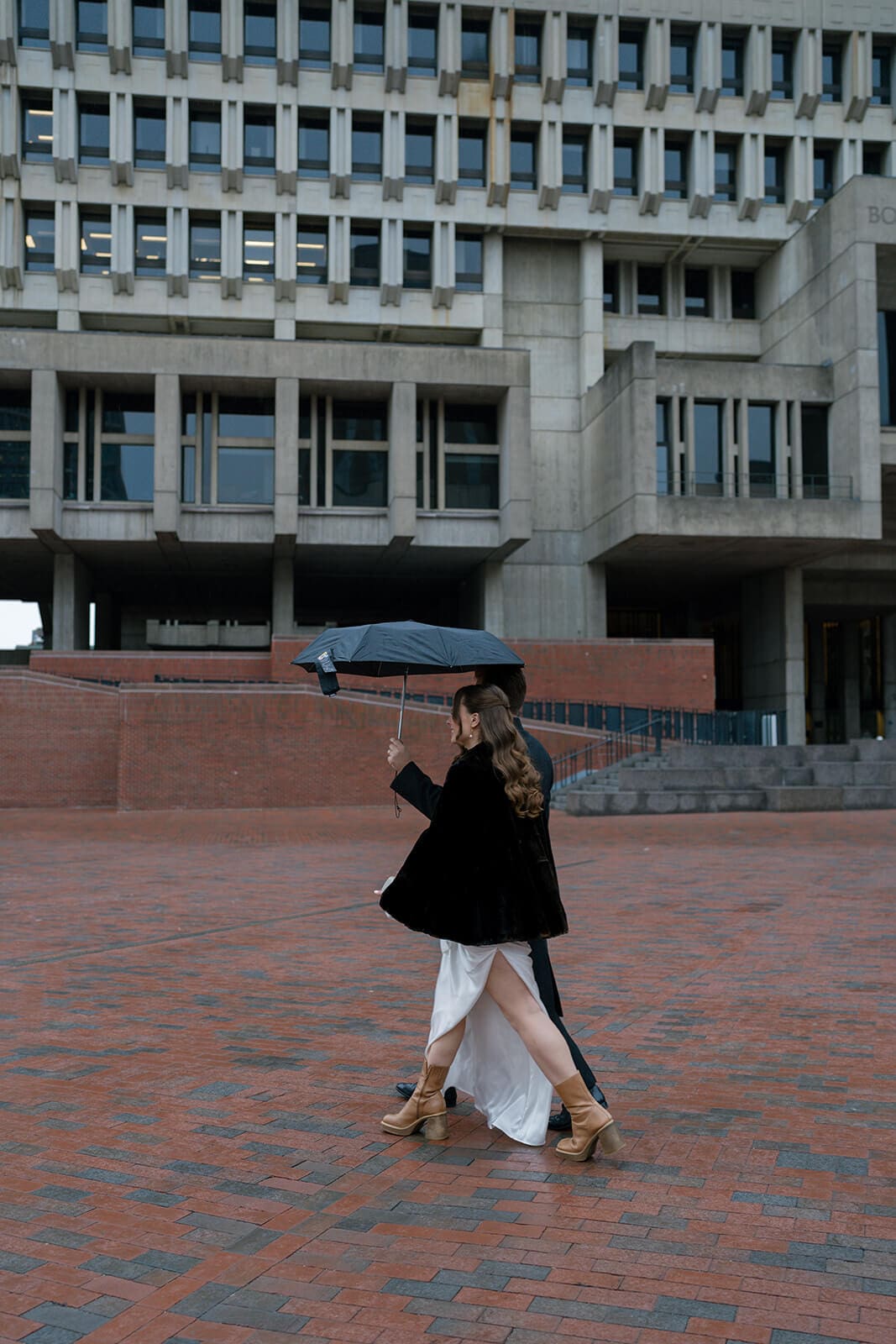
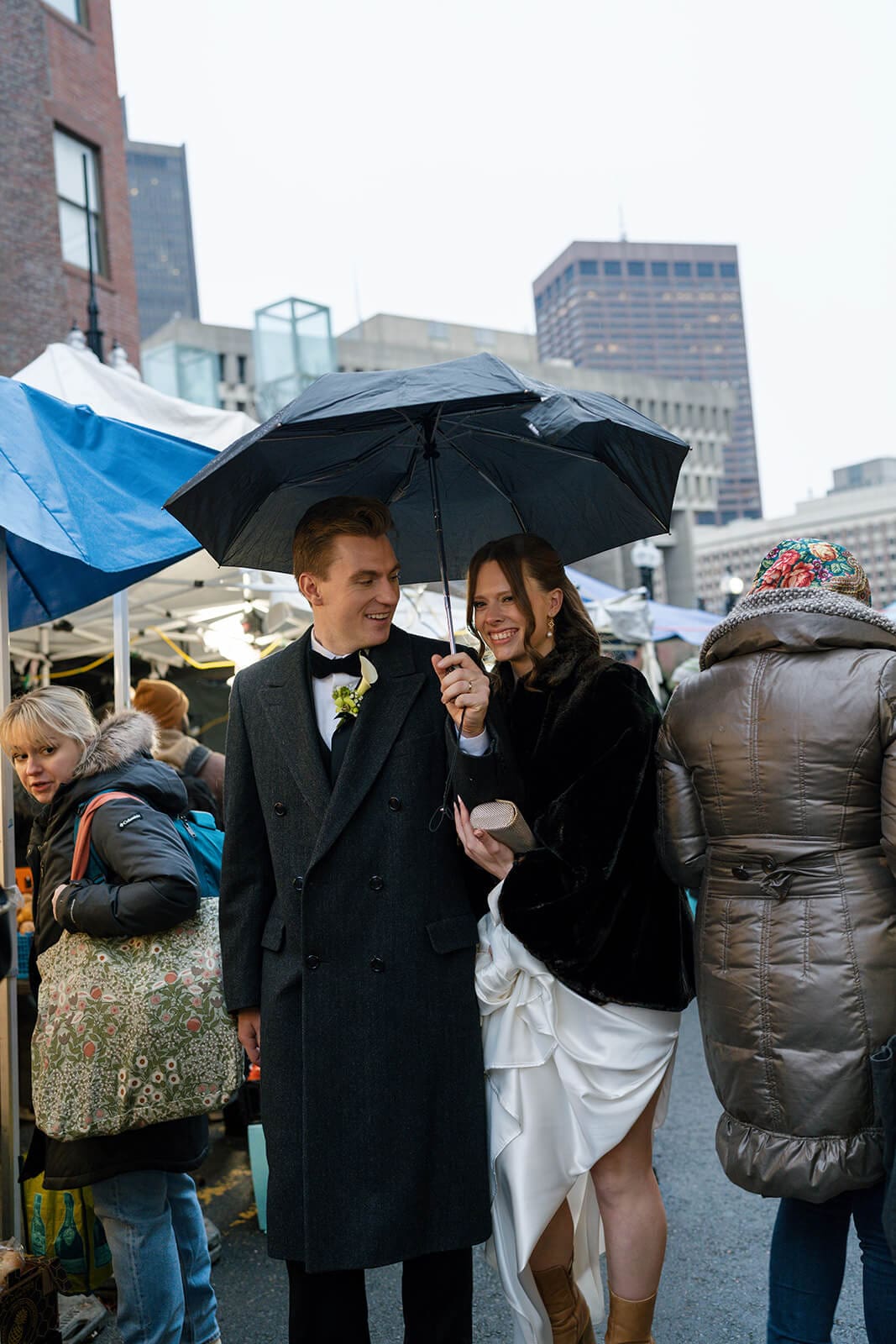
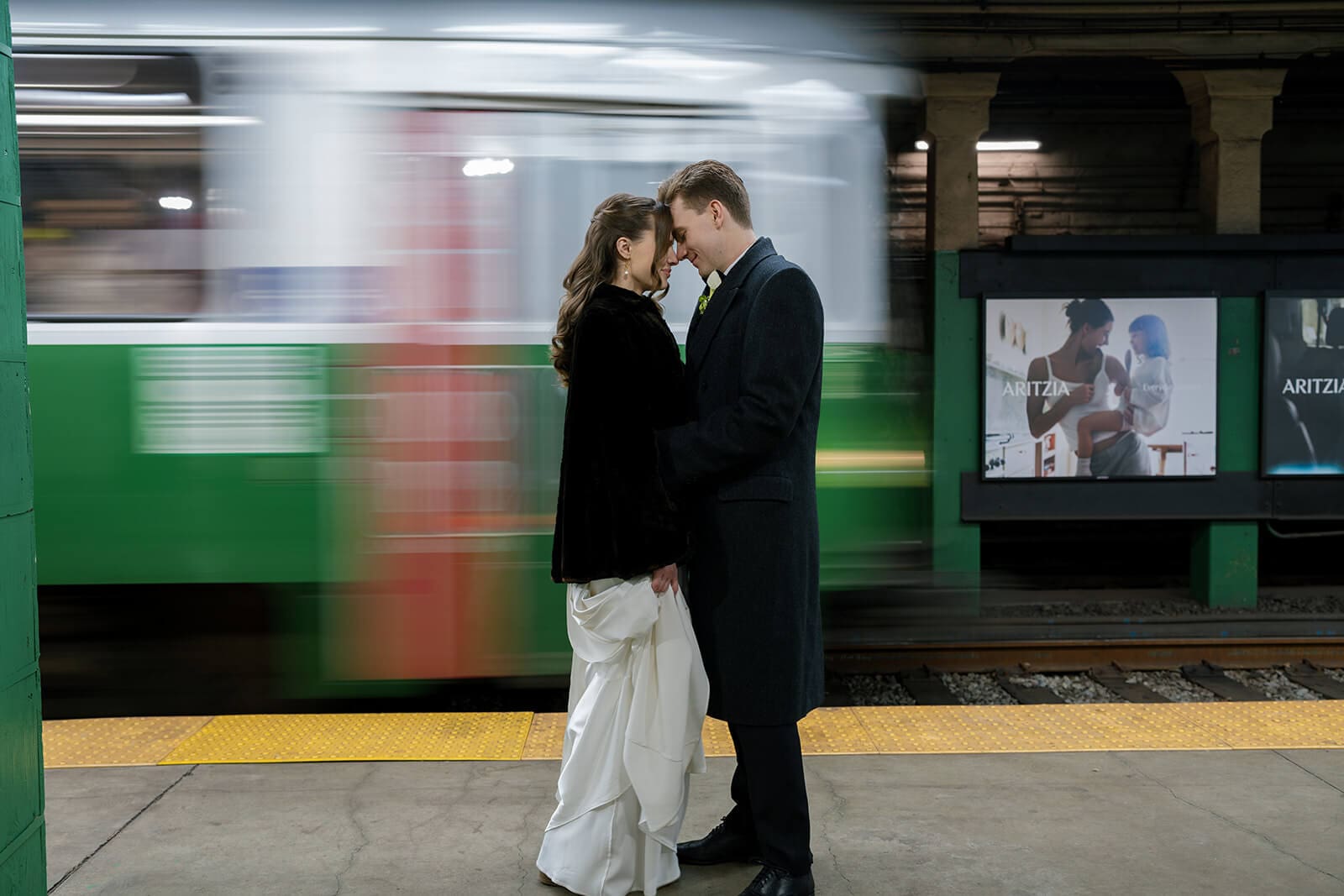
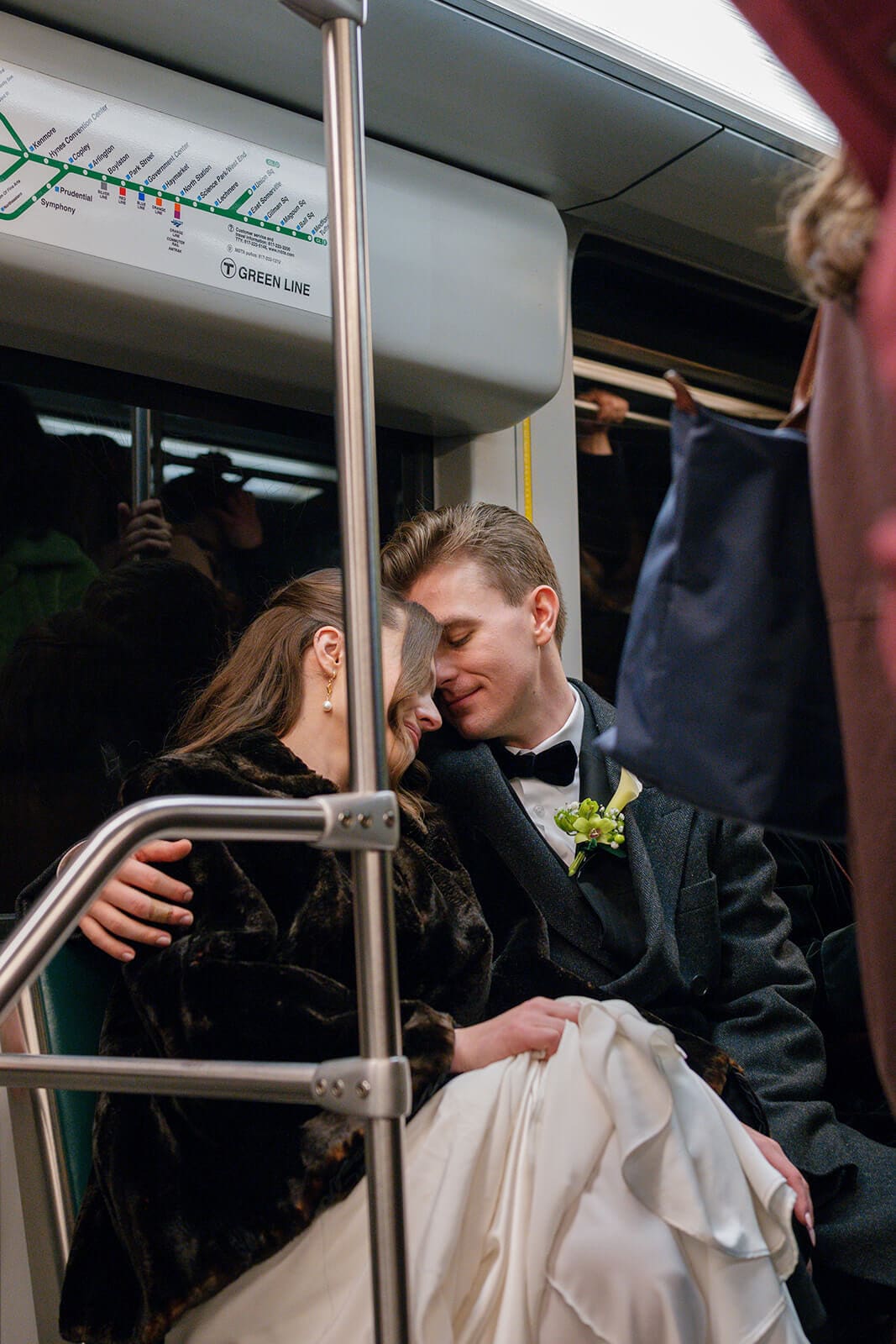
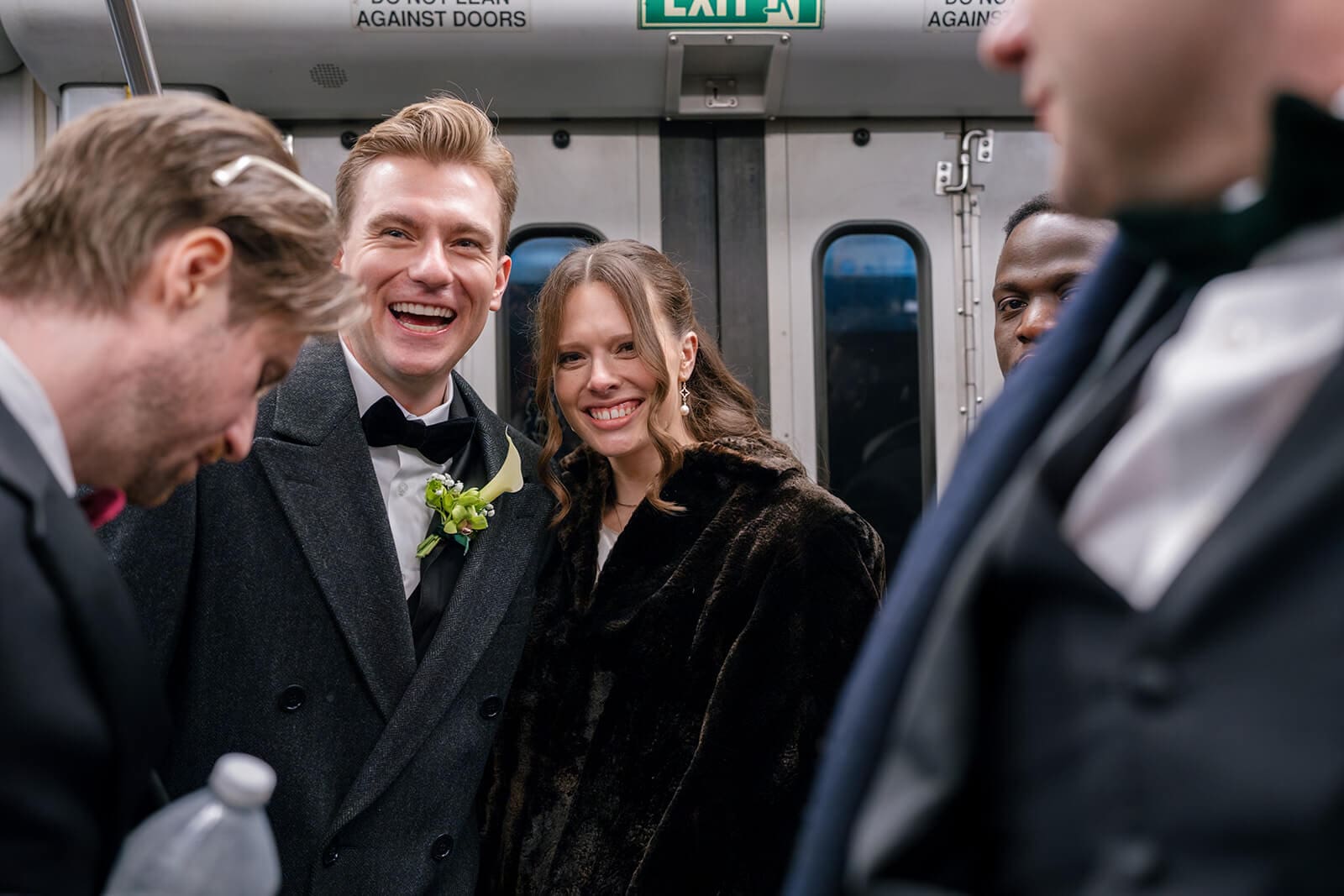
T & M’s ride on the T after their Boston church wedding is one of my favorite examples of what documentary style wedding photography can look like when the photographs are allowed to fit into the experience instead of interrupting it.
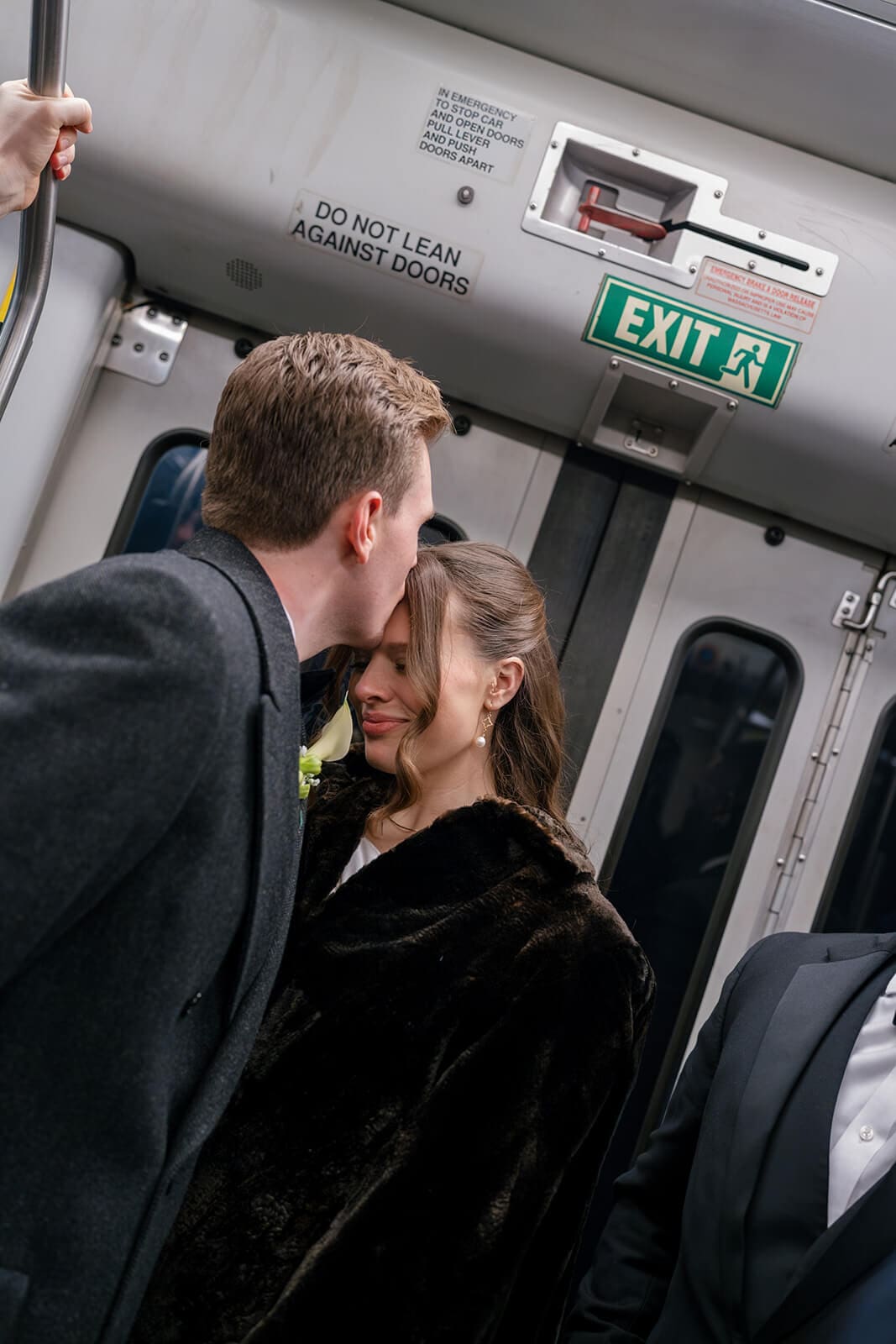
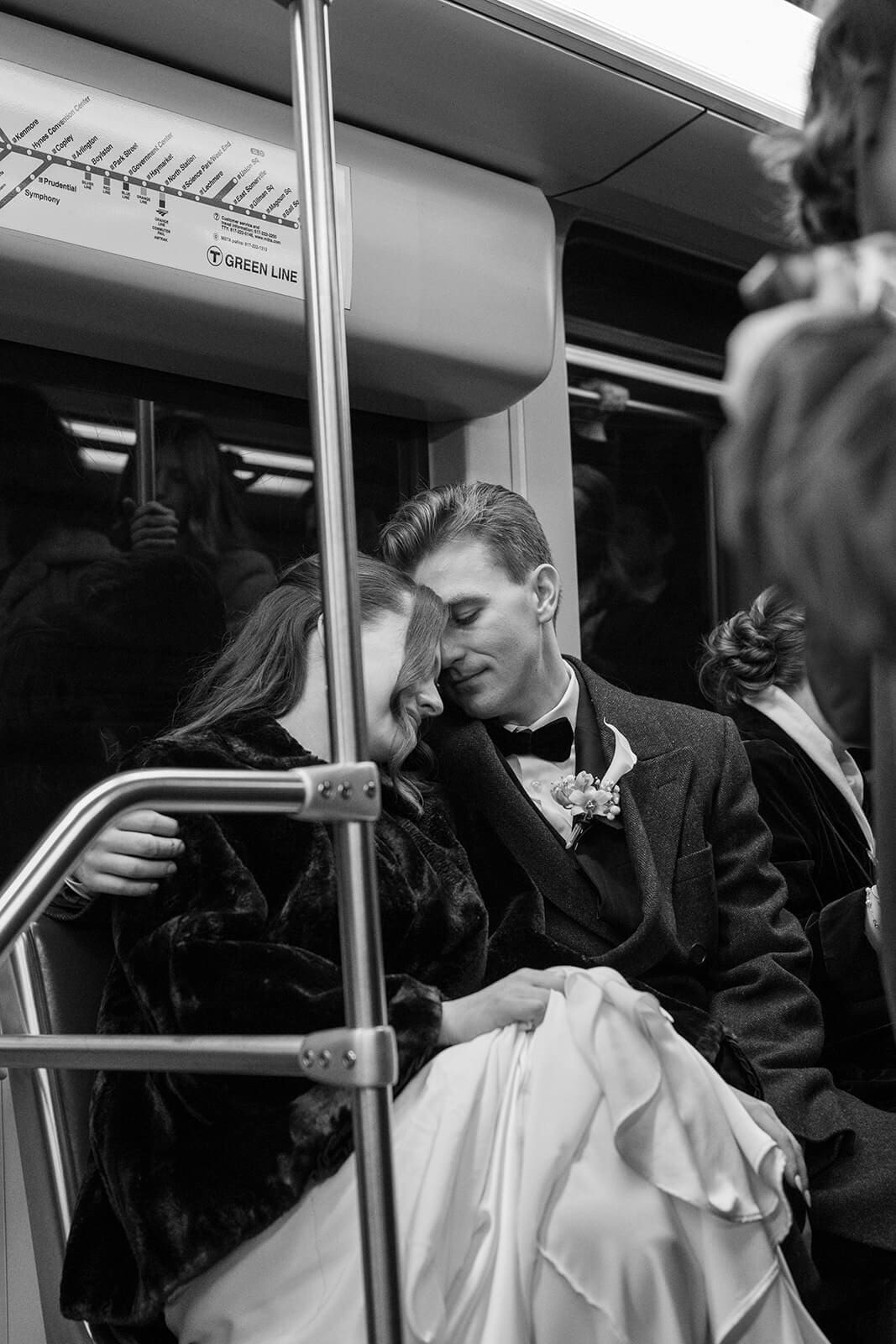
After the ceremony, they hopped on the train with a small group of friends to get to their reception. Their friends were talking across the train car, and strangers kept noticing the wedding clothes and congratulating them along the way. They could just move through the city with everyone instead of treating the trip between venues like time we needed to turn into a photoshoot.
There was no reason for me to interrupt any of that. I documented the conversations around them and the way everyone naturally gathered together as the ride went on.
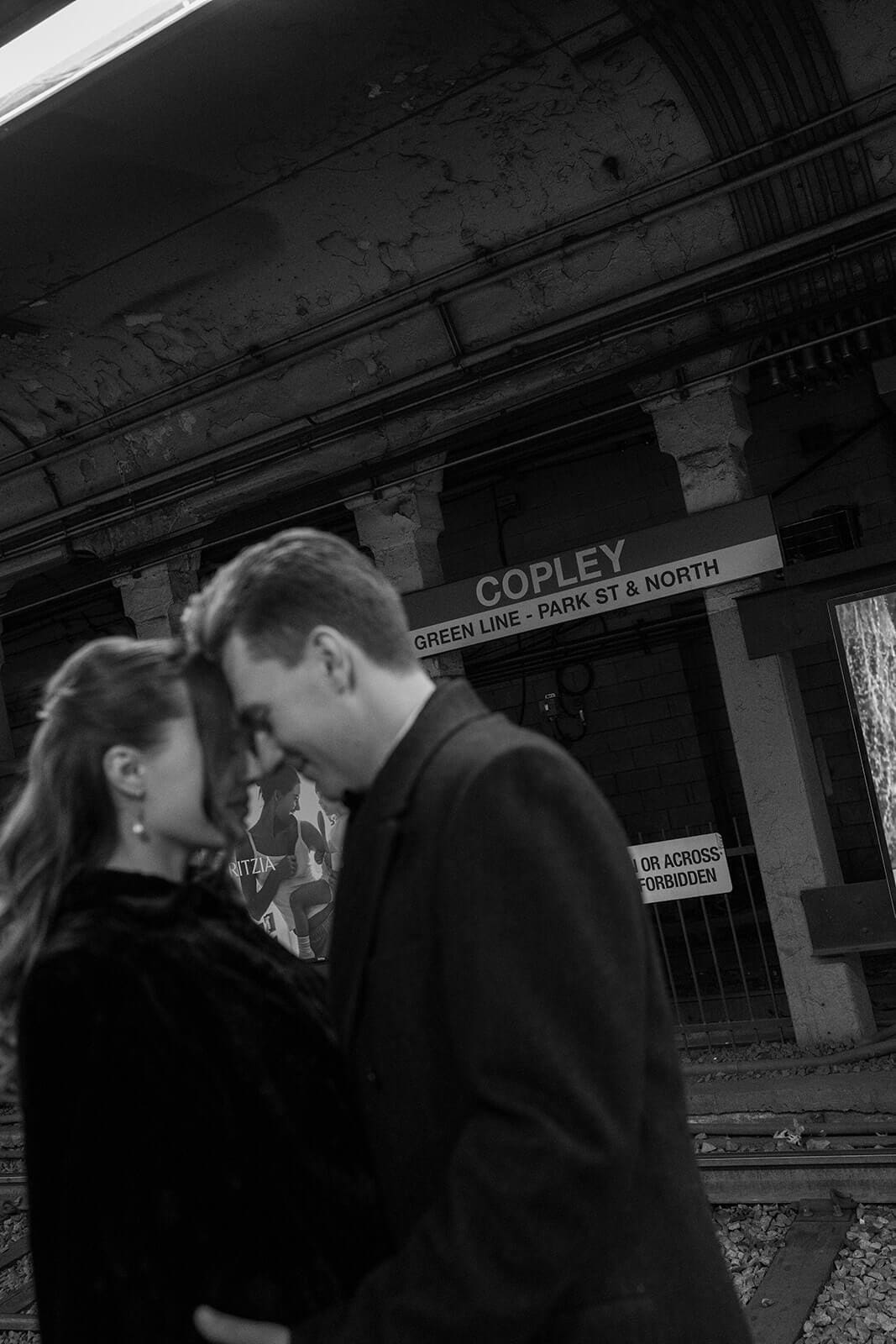
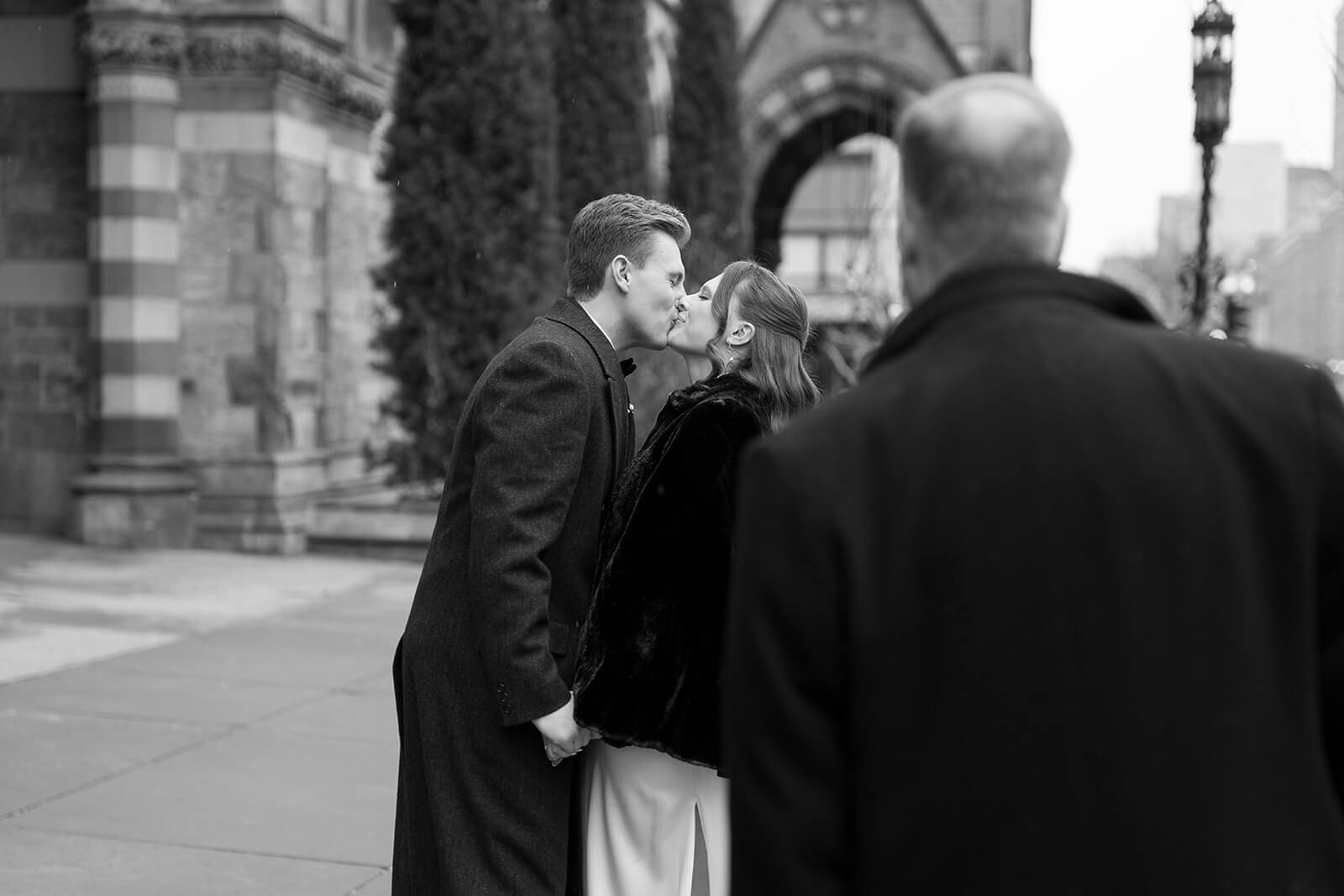
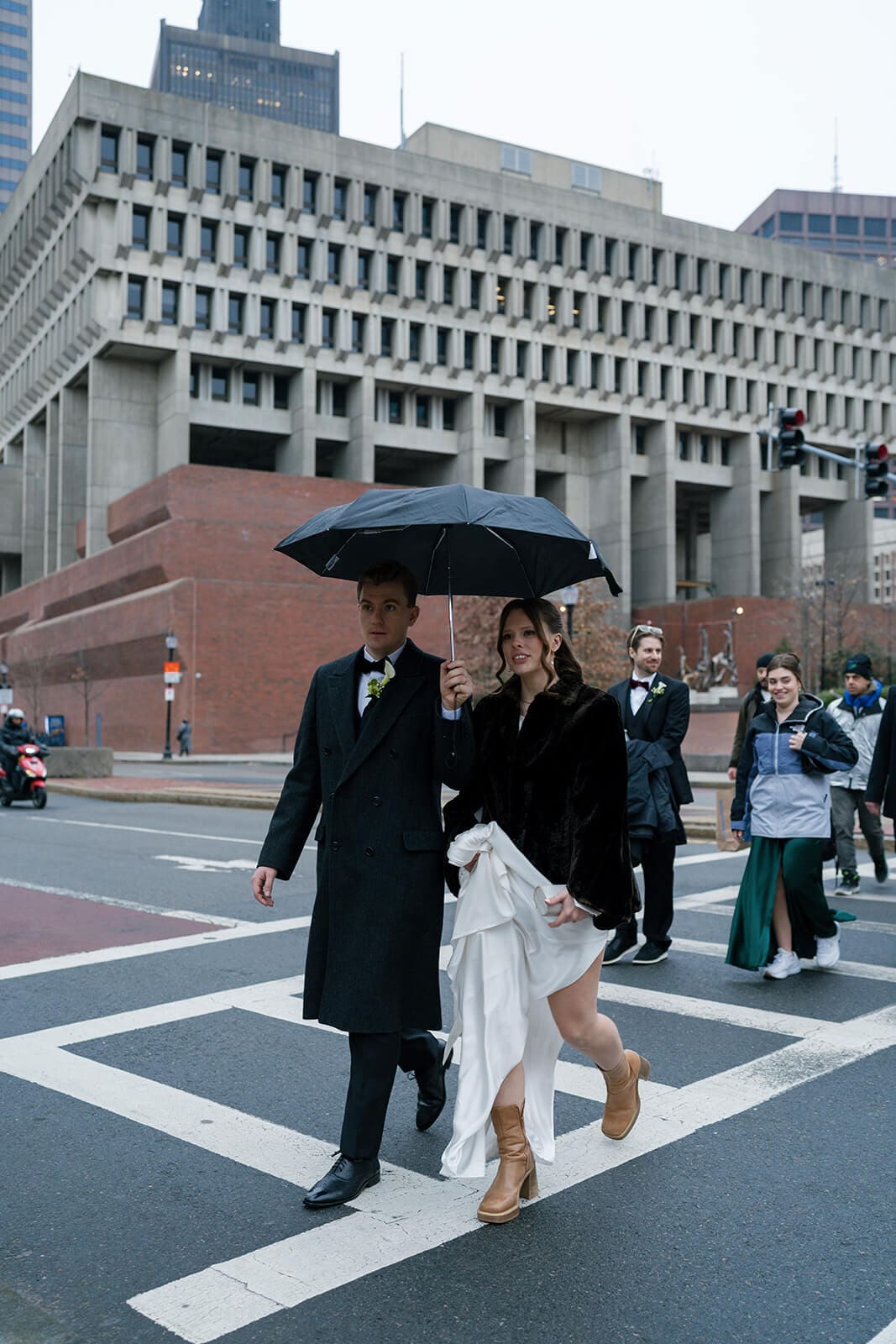
When I saw an opportunity for a few portraits of the two of them, I gave them something simple to do together. Once they settled into it, I photographed what came next and then let them go right back to their friends.
They still had portraits together without having to step away from a part of the wedding they wanted to experience.
Your Portraits Don’t Need to Take You Away from Your Wedding
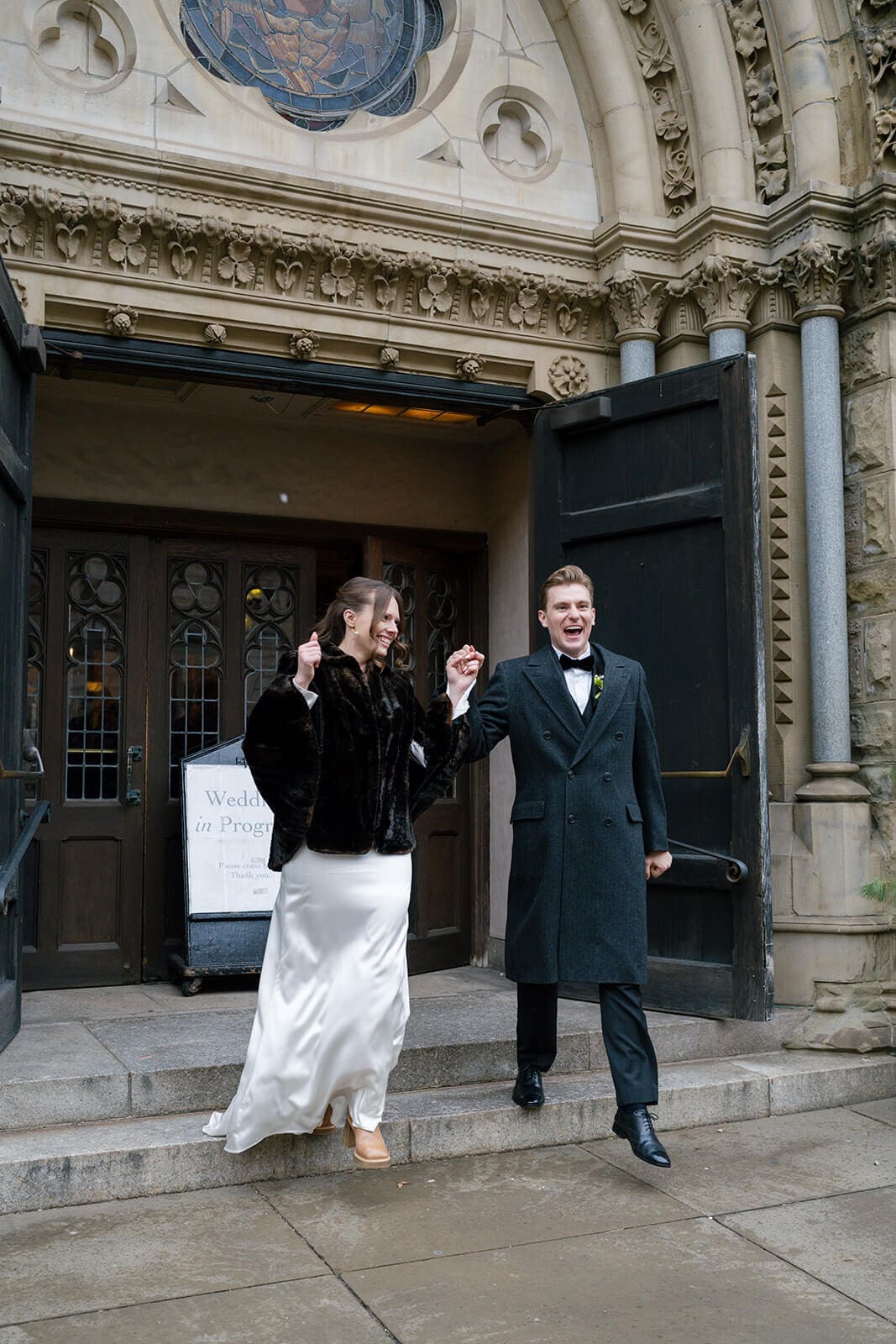
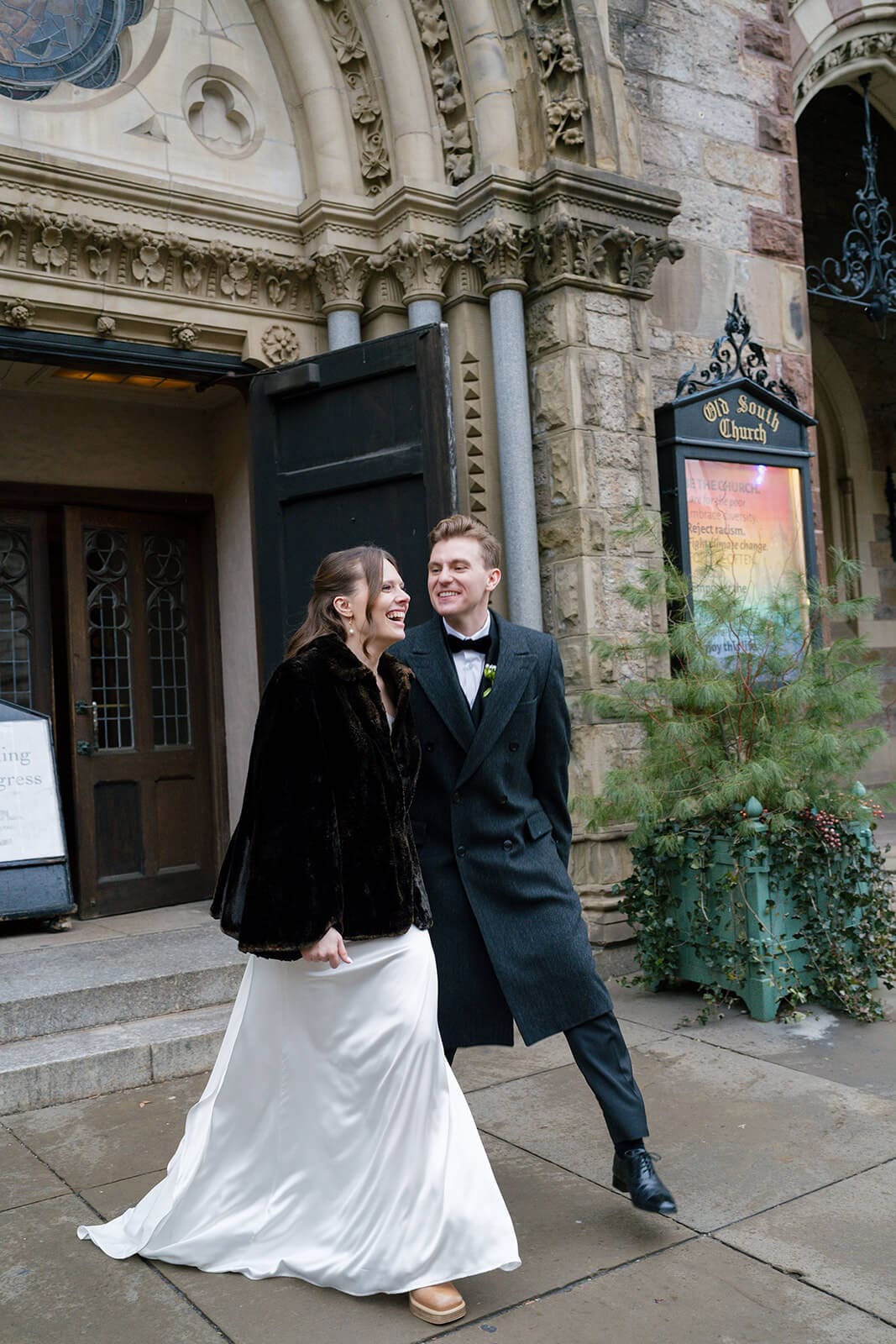
You don’t have to choose between having photographs of the two of you and spending the parts of the wedding you care about with your guests. Portraits can fit into the day without becoming the entire event.
Depending on your timeline, we might take more of them before the ceremony or keep things brief afterward. If spending cocktail hour with your guests matters to you, we can look at which photographs make sense to do beforehand so you aren’t automatically disappearing for an hour as soon as you’re married.
Portraits can also be a chance to have a few quieter minutes together when the rest of the day has been moving quickly. I’ll give you enough guidance that you aren’t wondering what happens next, but you won’t need to spend the whole time arranging your hands or holding the same expression.
If being photographed is already making you nervous, I have a full guide on how to pose naturally that goes deeper into the kind of guidance I use.
Family and Group Shots Are Still Part of a Documentary Style Wedding Photography
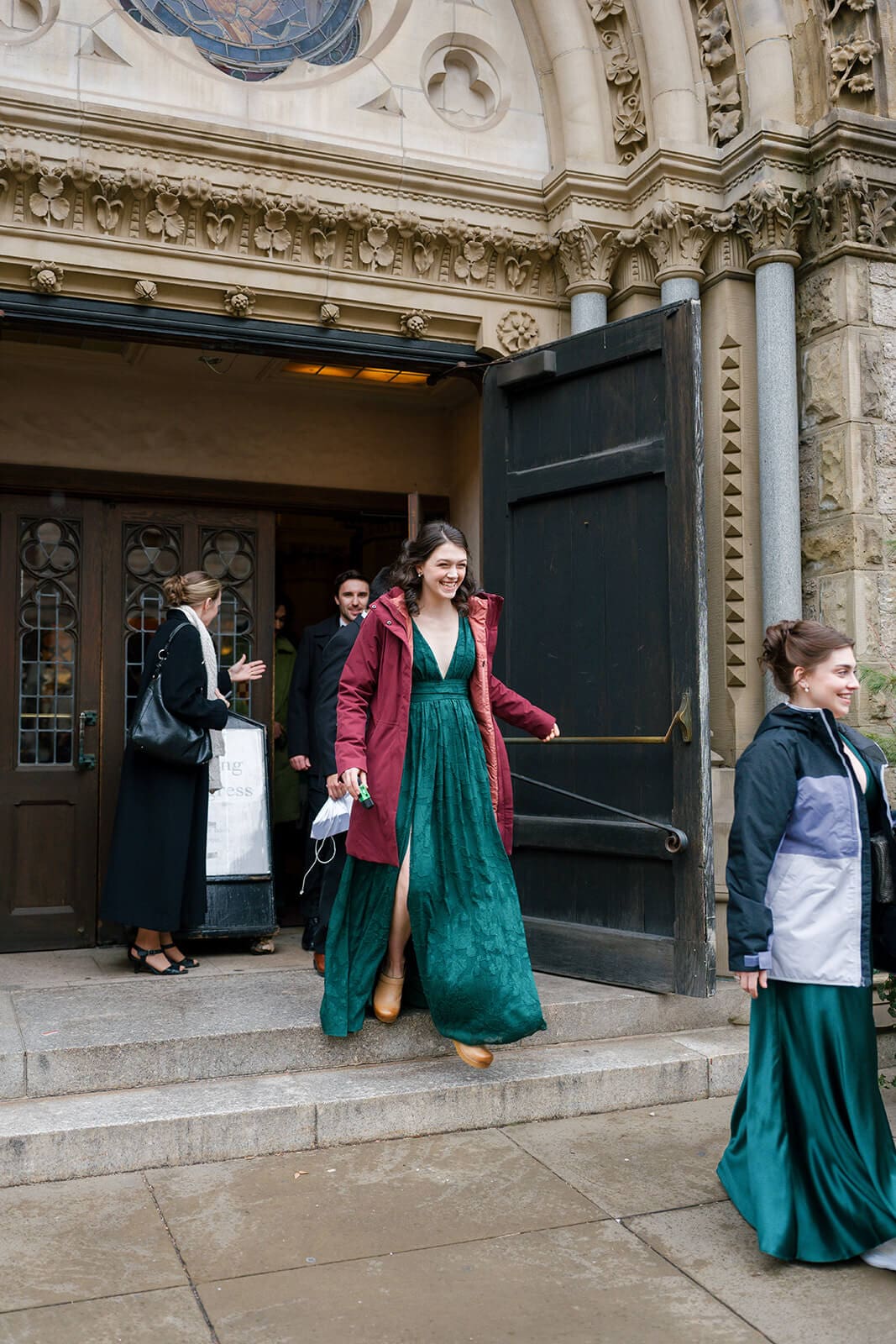
Family photographs usually need more organization than most of the wedding day, and that’s completely okay. I can help gather everyone, adjust where people are standing, and keep the combinations moving so you aren’t trying to organize the photograph while also being in it.
We can decide which groups matter most to you ahead of time. That makes it much easier to work through the list without turning family photographs into the main event of the afternoon.
These may be some of the most traditional photographs we take, but they’re also a record of who was there with you. You may not be nearly as excited about this part as you are about the candid photographs happening throughout the day. Years from now, having the people you love together in one frame may mean more than you expected.
Once we have the photographs you wanted, everyone gets to move on, and I can return my attention to what’s unfolding around you.
The Moments You Don’t See While You’re Living Them
Once we’ve taken care of the photographs that need a little organization, I want you to be able to stop wondering where my camera is and get back to your wedding.
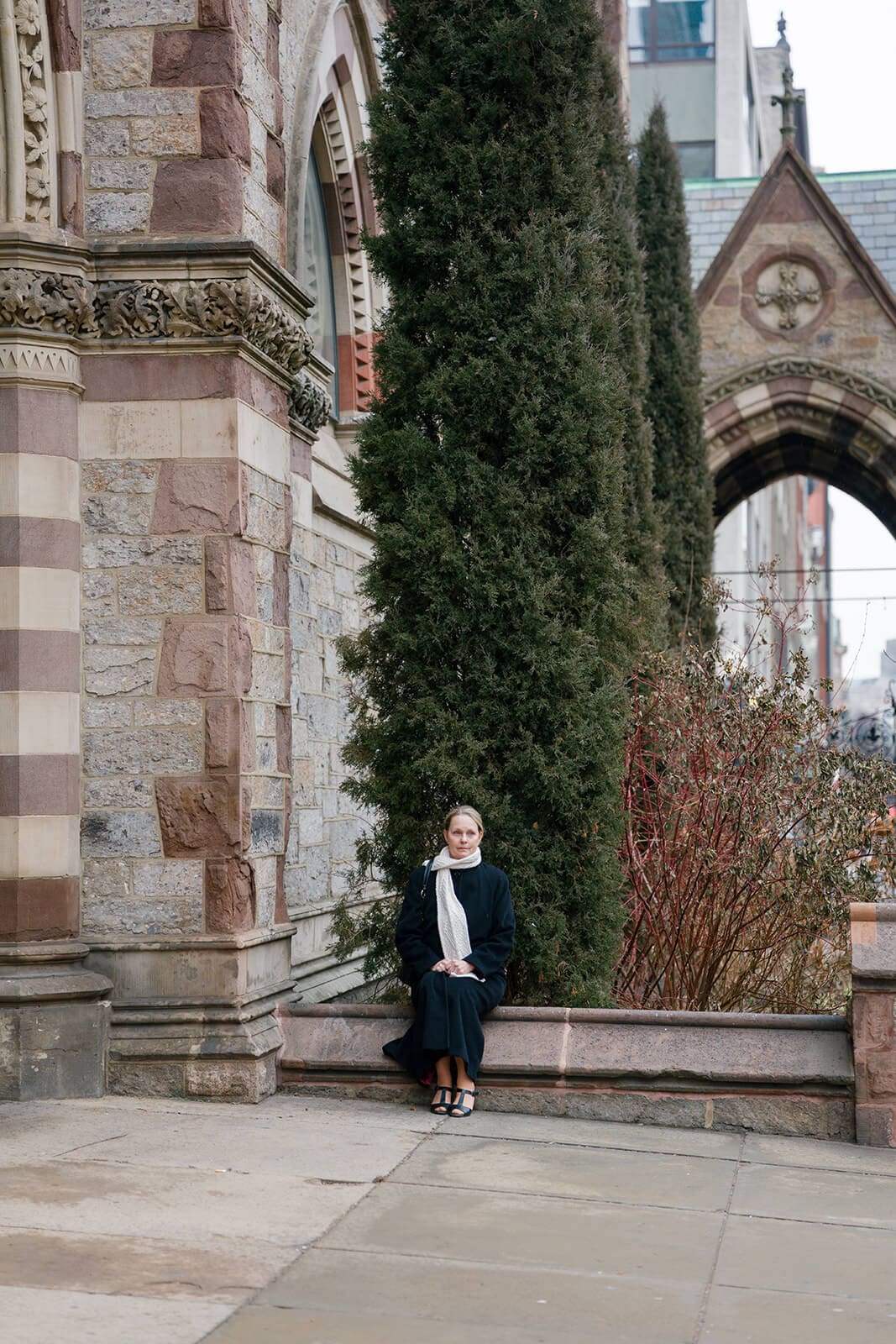
If you’re in the middle of a conversation, you don’t need to pause because you notice me nearby. While you’re focused on the person in front of you, I might notice your grandparent quietly taking in the room or your friends reacting to something being said across the table. Later, someone may slip in for a quick hug before everyone heads toward the dance floor.
You can’t watch all of those things while also living the day from your own point of view. You shouldn’t have to try.
That’s one of my favorite parts of documentary photography. Your gallery can give you photographs of what you remember happening, but it can also show you the pieces of the wedding you had no idea were unfolding a few feet away.
Thoughtful Planning Gives You More Room to Stay Present
Being able to stop thinking about photography on your wedding day has a lot to do with the work we do beforehand. We’ll talk through the parts of the timeline that affect your photographs and make decisions while there’s still plenty of time to think about them.
If cocktail hour is important to you, we can build portraits around it. If you have a large family, we can create the group list ahead of time instead of sorting through combinations while everyone waits. I’m also thinking about travel time, light, and where a little breathing room can help if something starts later than expected.
The goal isn’t to build a wedding around photography. Planning gives us a framework so photography can fit more naturally into the wedding you already want.
When those decisions have been made beforehand, you have fewer things to manage in the moment. You can finish a conversation, stay at the table a little longer, or head toward whatever is happening next while I take care of my side of the plan.
How to Choose a Documentary Style Photographer You Trust
If documentary coverage is important to you, look deeper than whether someone uses the word documentary on their website. How a photographer moves through a wedding and decides when to become involved matters much more than the label by itself.
As you look through their work, ask yourself:
- Do their galleries show what happens outside of portrait time?
- Can they explain when they’ll give direction and when they won’t?
- Do you see couples spending time with their guests instead of constantly leaving for photographs?
- Are guest reactions and quieter interactions included alongside the bigger moments?
- Can they show you full wedding galleries rather than only highlights from their website or Instagram?
- Can they explain how their approach changes between portraits, family photographs, the ceremony, and the reception?
Pay attention to how they describe what being photographed by them will feel like too. If you’re nervous about portraits, ask what happens when a couple needs more guidance. If spending time with your guests is one of your biggest priorities, ask how they build photography around that.
You should come away from that conversation understanding both when your photographer will help and when you’ll be free to forget about them for a while.
Documentary Style Wedding Photography Frequently Asked Questions
Do documentary wedding photographers pose you?
Documentary style wedding photography doesn’t mean you’ll never receive direction. I’ll step in when a little guidance will help you feel more comfortable, then give you space once you’ve settled into what you’re doing.
Can we still take family photos with documentary wedding photography?
Absolutely. Family photographs usually need more organization than the rest of the day, so I’ll help gather everyone and adjust where people are standing. Ahead of time, we can also plan your most important combinations so the process doesn’t drag on longer than it needs to.
Is documentary wedding photography a good fit if we feel awkward in photos?
It can be a great fit if you don’t want to spend your wedding constantly thinking about the camera. I’ll give you simple direction when you need somewhere to start, and once you’re comfortable, you can put your attention back on each other.
How much direction will we get during wedding portraits?
That depends on what helps the two of you feel comfortable. I might give you a little movement or make a small adjustment at the beginning, but once you’re talking, laughing, or settling into the way you naturally are together, I’d rather let that take over.
Hire a Documentary Style Wedding Photographer for Your Boston Wedding
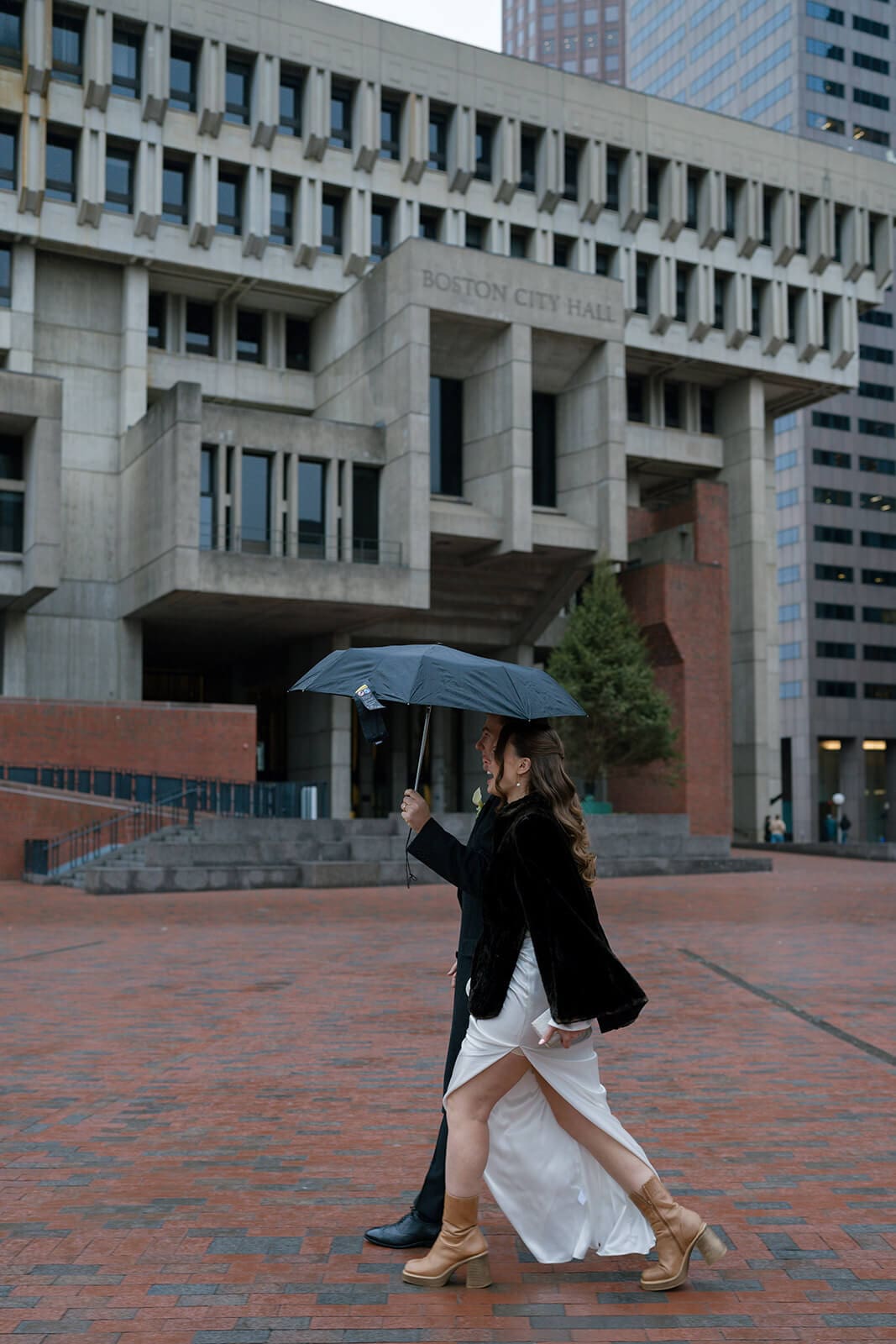
When I think back to T & M riding the T after their ceremony, what stands out most is how little they had to think about the photographs. They were talking with their friends and taking in congratulations from strangers during that strange little stretch of time when you’re already married, but the reception hasn’t started yet.
I could document all of that because they could stay in it. When a portrait opportunity came up, I gave them a little direction. When something was already unfolding naturally, I left it alone.
That’s what I want documentary style wedding photography to give you too. You get to experience the wedding from where you are while I pay attention to what’s happening around you. Later, your gallery can show you some of the reactions and interactions you never had a chance to see for yourself.
If you’re planning a Boston or New England wedding and want photography that leaves room for you to experience it, reach out here. I’d love to hear what matters most to the two of you.

+ Comments